
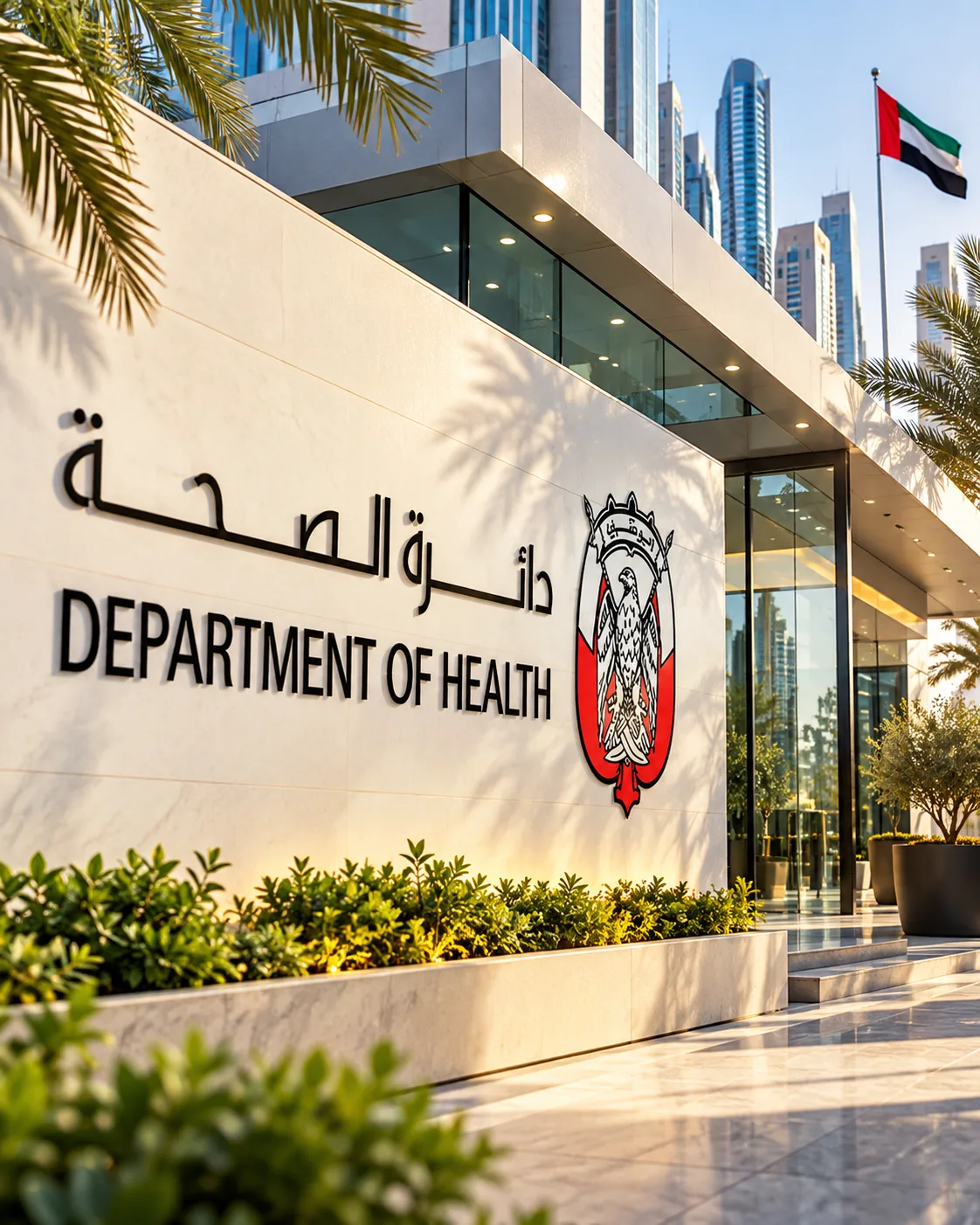
Abu Dhabi is putting serious capital, regulation and research infrastructure behind healthcare and life sciences. For founders and investors, that creates opportunities far beyond opening another general clinic.
According to Abu Dhabi Census data, the emirate’s population reached 4.14 million in 2024, up 7.5% in one year. Its health sector grew 5.2% in the first quarter of 2025. Abu Dhabi has also launched the Health, Endurance, Longevity and Medicine, or HELM, cluster, which is projected to contribute more than AED 94 billion to GDP and create around 30,000 jobs by 2045.
If you are considering an Abu Dhabi healthcare business, start by defining exactly what you will sell. A clinic, AI health platform, biotech laboratory, medical warehouse and pharmaceutical plant sit inside the same broad sector, but their licences and regulators are very different.
Why Abu Dhabi’s Healthcare Market Is Expanding
Demand is coming from several directions. Statistics Centre Abu Dhabi recorded 4,135,985 residents in 2024. The Abu Dhabi region itself accounts for 68% of the emirate’s population. That expanding population naturally increases demand for primary care, diagnostics, specialist treatment, pharmacies, home healthcare and preventive services.
Health insurance also creates a structured payer market. Employers and sponsors in Abu Dhabi have defined health insurance responsibilities, supporting recurring demand for licensed medical services.
At policy level, the Department of Health Abu Dhabi (DoH) is moving healthcare toward earlier detection, prevention and personalised treatment. Its strategic objectives include advanced disease detection, integrated care, digital health leadership and a competitive health and life sciences sector.
HELM gives that direction a commercial structure by connecting healthcare delivery, research, investment and commercialisation.
In a 30-minute call we map your situation against jurisdiction, activity and cost — no commitment required.
Priority Abu Dhabi Healthcare Business Opportunities
- Precision Medicine, Genomics and Advanced Therapies
Abu Dhabi has built a sizeable genomics ecosystem around the Emirati Genome Programme, the Emirati Reference Genome platform and the Abu Dhabi Biobank.
DoH’s 2026 research priorities include cell and gene therapy, omics and precision medicine, cancer diagnostics and therapeutics, neurodegenerative disease and metabolic conditions.
That creates room for genomics analytics, molecular diagnostics, bioinformatics, laboratory services, contract research, biomarker development and clinical-trial support.
This is a specialist market. Research ethics approvals, laboratory standards, health-data controls and product-specific permissions can apply.
- Digital Health, AI and Remote Monitoring
Abu Dhabi already has strong digital health infrastructure.
DoH Malaffi platform, the emirate’s health information exchange, connects more than 2,700 healthcare facilities. DoH also regulates telemedicine and healthcare services delivered through mobile applications.
Potential models include remote patient monitoring, clinical workflow software, AI-assisted diagnostics, patient platforms, digital therapeutics and connected medical devices.
If an app actually delivers healthcare services, treat regulation as part of product design. DoH’s current facility licensing standard states that companies registering to provide health services through mobile applications can submit a DED licence or an Abu Dhabi Global Market licence, together with technical and service documents.
- Healthy Longevity and Preventive Healthcare
Abu Dhabi has created a specific regulatory framework for Healthy Longevity Medicine Centres. These centres focus on healthspan, disease prevention, ageing biomarkers, personalised interventions and continuous monitoring. DoH has already licensed specialist longevity centres under the framework.
Possible business models include longevity clinics, advanced screening services, preventive diagnostics, wearable-data platforms and metabolic health programmes.
- Pharmaceutical, Biotech and Medical Product Manufacturing
Local manufacturing is another major opportunity. Recent Abu Dhabi partnerships cover pharmaceutical localisation, vaccine research, advanced therapeutics and drug discovery. Abbott, for example, entered a partnership with DoH in 2025 around local pharmaceutical manufacturing.
KEZAD supports life-science manufacturing, logistics, R&D and distribution, while Masdar City is developing specialised laboratory and biotech infrastructure.
Federal regulation matters too. The Emirates Drug Establishment (EDE) licenses medical-product manufacturing facilities and medical warehouses. EDE currently lists an AED 100 application fee and AED 3,000 final inspection fee for a medical-products manufacturing facility. These are regulatory fees, not the full project cost.
- Specialised Clinical Services
DoH’s health and research priorities include cardiovascular disease, diabetes and obesity, cancer, rare disease, respiratory illness, mental health, women’s and children’s health and neurodegenerative conditions.
Potential models include specialist outpatient clinics, fertility services, rehabilitation, mental health, home healthcare, chronic disease management and diagnostic centres.
- Clinical Research, CROs and Diagnostics
Abu Dhabi wants more clinical research and life-science development to take place locally.
The 2026 Healthcare Research and Innovation Fund supports areas including clinical trials, precision medicine, cancer research, cell and gene therapy, behavioural health, reproductive health and population studies.
This creates opportunities for contract research organisations, analytical laboratories, trial-support companies, biostatistics providers, clinical data companies, diagnostics and research logistics.
Masdar City is particularly relevant here. Its life-sciences cluster reports more than 50 biotechnology companies and includes laboratory, pre-clinical and clinical-trial infrastructure.
Which Setup Route Fits Your Healthcare Business?
Business model | Practical Abu Dhabi route | Main approvals to check |
Clinic or medical centre | Abu Dhabi mainland | ADDED economic licence + DoH facility licence |
Telemedicine or healthcare app | Mainland or eligible ADGM structure | Business licence + DoH registration/approval |
Biotech, genomics or life-science R&D | Masdar City Free Zone or suitable Abu Dhabi structure | Free-zone licence + DoH/EDE/research approvals where required |
Pharma or medical-device manufacturing | KEZAD or suitable industrial location | Economic/industrial licence + EDE + technical approvals |
Medical warehouse and distribution | Industrial/logistics location such as KEZAD | Business licence + EDE warehouse requirements |
Healthtech holding or investment structure | ADGM may be considered | ADGM registration plus sector approval if regulated services are provided |
The routes depend on the exact activity. DoH regulates healthcare facilities, ADDED handles Abu Dhabi economic licensing and EDE covers many regulated medical-product activities.
How to Set Up a Healthcare Business in Abu Dhabi
- Define the Exact Activity
Write down what the company will actually do and how it will earn money.
“Healthcare technology” is too broad. “Remote cardiac monitoring software sold to licensed hospitals” is much clearer. That detail helps identify the right licence and approvals.
- Map the Regulators Before Signing a Lease
Patient-facing facilities normally involve DoH. Medicines, medical products and warehouses can involve EDE. Research businesses may need ethics or clinical-trial approvals.
Check these requirements before committing to premises or fit-out.
- Choose Mainland, Free Zone or Industrial Setup
A clinic serving patients in Abu Dhabi usually needs a structure suited to direct local healthcare delivery.
A biotech R&D company may prefer Masdar City. A pharmaceutical plant or medical logistics operation may fit KEZAD better. An app-based healthcare provider may have a mainland or ADGM route, subject to DoH registration.
- Obtain Preliminary Approvals
ADDED handles Abu Dhabi economic licensing, while DoH facility applications run through TAMM.
Under the DoH healthcare facility licensing standard effective September 2025, the process has two main stages: preliminary approval and permanent licensing. DoH lists a target of up to 20 working days for preliminary approval and up to 25 working days for the permanent licence process, assuming the application and facility requirements are complete.
- Complete Facility, Staffing and Compliance Requirements
Clinical facilities may need approved engineering drawings, inspections, medical malpractice cover, qualified professionals and service-specific standards.
DoH-licensed facilities must also meet healthcare data and cybersecurity requirements. Depending on the activity, Malaffi connectivity can form part of the compliance process.
- Complete Product Approvals Where Required
If you manufacture, store, import, market or distribute regulated medical products, the local company licence may be only one part of the process.
For example, EDE separately regulates medical warehouses and marketing authorisations for pharmaceutical and healthcare products. Check this before ordering inventory or building production space.
What Should You Budget For?
There is no honest single price for an Abu Dhabi healthcare business.
A software company can start with an office and technical team. A diagnostic centre may need costly equipment and a compliant fit-out. A pharmaceutical plant can require industrial premises, clean rooms, validation, quality teams and GMP compliance.
Budget for company registration, DoH or EDE fees, premises, fit-out, engineering consultants, professional licences, insurance, equipment, health IT, cybersecurity, visas and ongoing renewals.
We’ll model the requirements and send back a single-page breakdown within 24 hours.
Common Setup Mistakes
The biggest mistake is starting with a company licence instead of the regulated activity. A trade licence does not automatically authorise you to treat patients, run clinical diagnostics, manufacture medicines or distribute regulated medical products.
Another error is signing a lease before the regulator confirms that the site can support the activity. Healthcare fit-outs are expensive, so changing the location halfway through approval can hurt.
Plan data compliance early too. Patient records, integrations and cybersecurity can form part of operating compliance.
Conclusion
The Abu Dhabi healthcare business market is becoming more specialised. Strong opportunity areas include precision medicine, digital health, longevity, biotechnology, pharmaceutical localisation, specialised care and clinical research.
Your setup route depends on the operating model. Patient-facing providers generally need an Abu Dhabi economic licence and DoH approval. Research and biotech companies may fit Masdar City. Industrial pharma and medical logistics can make more sense in KEZAD. Medical-product businesses may also need EDE licensing or registration.
Start with the activity, regulator and facility requirements. Choose the company structure after that. Fees, standards and approval procedures can change, so confirm the current requirements before committing money to premises, equipment or fit-out.
Frequently Asked Questions
Is Healthcare a Good Business Sector in Abu Dhabi?
Healthcare and life sciences are active Abu Dhabi investment priorities. Population growth, mandatory insurance, research programmes and HELM are supporting demand in clinical care, digital health, biotech, diagnostics, pharmaceuticals and research.
Which Authority Regulates Healthcare Businesses in Abu Dhabi?
The Department of Health Abu Dhabi regulates healthcare facilities and professionals in the emirate. ADDED handles economic licensing, while EDE regulates many pharmaceutical and medical-product activities at the federal level.
Can I Open a Healthcare Company in an Abu Dhabi Free Zone?
Yes, depending on the activity. Life-science, biotech, research and technology businesses may use free zones such as Masdar City. Regulated clinical services still need the approvals that apply to the actual healthcare activity.
How Long Does DoH Healthcare Facility Licensing Take?
The current DoH standard lists a target of up to 20 working days for preliminary approval and up to 25 working days for the permanent licence process. Fit-out, inspections, staffing and missing documents can extend the overall timeline.
What Are the Strongest Healthcare Opportunities in Abu Dhabi in 2026?
Current policy and investment activity point to precision medicine, genomics, AI-enabled health technology, healthy longevity, advanced therapeutics, pharmaceutical manufacturing, medical logistics, specialised clinical services and clinical research.