Dubai Multi Commodities Centre, commonly known as DMCC, is one of the most recognised free zones in the UAE. It serves commodity traders, consultants, technology firms, logistics companies, e-commerce businesses and international groups that want to build a presence in Dubai.
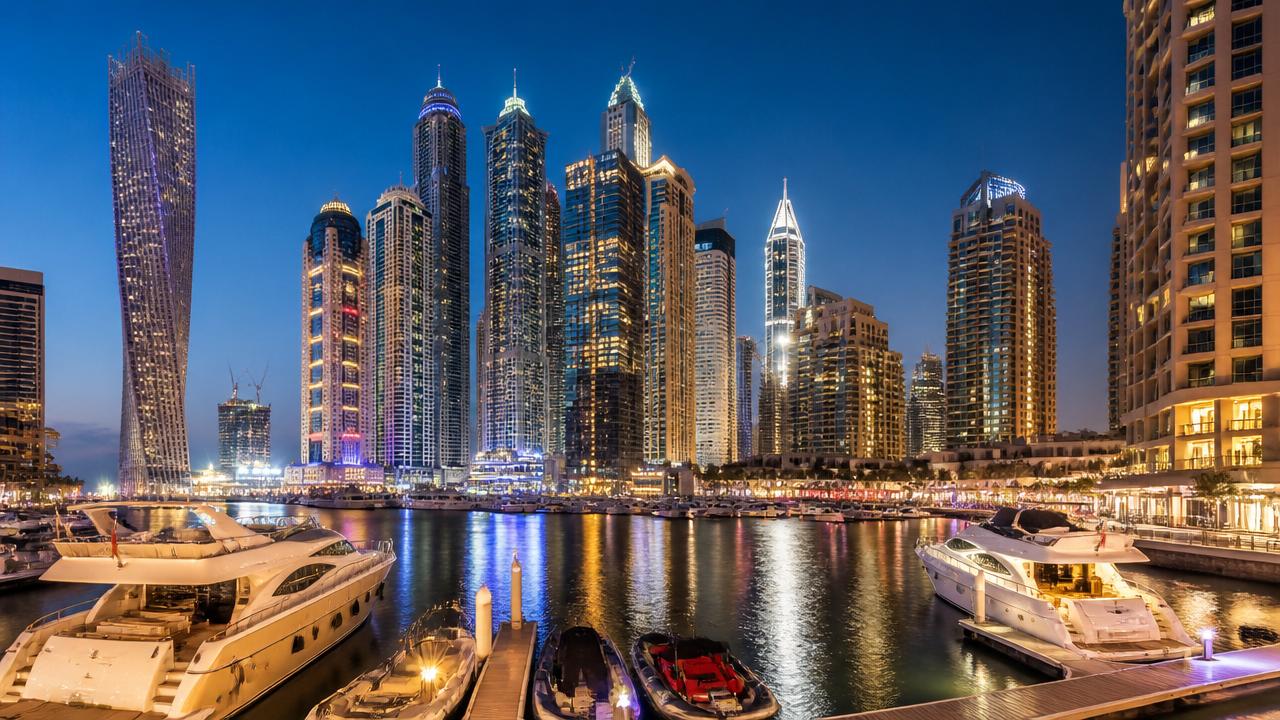
DMCC is located in Jumeirah Lakes Towers, with additional commercial development in Uptown Dubai. The district gives businesses access to offices, residential buildings, hotels, restaurants, metro stations and Sheikh Zayed Road. This makes it suitable for companies that want a central Dubai location rather than an industrial or remote free zone address.
The free zone supports thousands of companies from different countries and provides access to more than 1,000 approved business activities. These activities extend well beyond commodities. You can establish a company for consulting, software development, artificial intelligence, e-commerce, food trading, precious metals, diamonds, logistics and several other sectors.
This guide explains the available licence types, legal structures, documents, current cost categories, office requirements, visa rules and company formation process.
Key Takeaways
DMCC allows eligible foreign investors to retain 100% ownership of their companies.
Businesses can choose service, trading, commercial and industrial licences.
Standard government and registration fees can exceed AED 34,000 before adding office space, visas and external approvals.
DMCC company formation is largely digital, although banking, medical testing and Emirates ID steps may require your physical presence.
A company must rent an approved workspace within the DMCC free zone.
Free zone registration does not automatically guarantee a 0% corporate tax rate.
Your final setup cost depends on the activity, licence, office type, number of visas and shareholder structure.
In a 30-minute call we map your situation against jurisdiction, activity and cost — no commitment required.
What Is Dubai Multi Commodities Centre?
DMCC is a Dubai-based free zone and business district established to support trade in commodities and related services. Its role has expanded over the years. Today, it supports businesses operating in technology, consulting, gaming, artificial intelligence, finance-related services, logistics, retail support, food commodities and online commerce.
The free zone is centred around Jumeirah Lakes Towers, often called JLT. The area contains high-rise office and residential buildings built around several artificial lakes. It is close to Dubai Marina, Dubai Internet City and major commercial districts.
This location can be useful if your company meets clients regularly or wants to recruit employees who already live in Dubai. Employees can access the area through the Dubai Metro, taxis and major roads.
DMCC also operates several sector-focused business communities. These include the DMCC Crypto Centre, Gaming Centre, AI Centre, Coffee Centre, Tea Centre and facilities related to diamonds and precious metals. Companies operating in these sectors may benefit from industry events, specialised infrastructure and access to other businesses in the same field.
Before selecting this free zone, compare it with a Dubai mainland company setup. A mainland structure may suit you better if you plan to open retail outlets, work directly on government projects or conduct activities that require a mainland licence.
Why Businesses Choose DMCC
DMCC attracts businesses for several practical reasons.
The first is its reputation. International suppliers, banks and business partners are often familiar with the DMCC name. This does not guarantee bank approval or commercial success, but it can give your company a credible registered address.
The second is the range of activities. A consultancy may operate under a professional service activity, while a commodity company may import, export and distribute specific goods. A technology business can also choose activities covering software, digital services or related support.
The third is location. JLT is a developed business and residential community. You can rent a flexi-desk, serviced office or larger commercial unit depending on your team size.
DMCC may also suit international groups that want to establish a subsidiary or branch in Dubai. The company can hold shares, employ staff, obtain residence visas and conduct approved activities under its licence.
However, DMCC is not automatically the best option for every founder. A small consultant who only needs one visa and wants the lowest possible annual cost may find a cheaper package elsewhere. You should compare the full first-year and renewal costs before making a decision.
DMCC Licence Types and Business Activities
DMCC supports a wide range of business activities. You must choose the activity that matches the actual services or products your company will provide.
Using an activity that does not match your invoices, website or bank transactions can create problems during bank account opening, compliance reviews or licence renewal.
- Service Licence
A service licence is suitable for companies that provide professional knowledge or technical support.
Common examples include:
Management consultancy
Marketing consultancy
Information technology services
Software development
Business support services
Training and advisory services
Human resources consultancy
Project management services
A service company normally earns revenue by charging fees for its work. It should not use a service licence to import and sell physical products unless the relevant trading activity is also added.
- Trading Licence
A trading licence allows a company to import, export, distribute and sell approved products.
The licence normally specifies the product categories the business can trade. These may include food products, metals, machinery, electronics, textiles, jewellery or other authorised goods.
If you plan to trade several unrelated products, you may need multiple activities or a broader commercial licence. You should confirm this before submitting the application.
- Commercial Licence
A commercial licence can cover broader buying and selling activities. It may suit a company that wants to trade several approved product groups under one structure.
The exact permissions depend on the activities listed on the licence. A general description such as “commercial trading” does not mean you can sell every type of product without restrictions.
Products involving food, pharmaceuticals, cosmetics, precious metals or controlled goods may require additional approvals from the relevant authorities.
- Industrial Licence
An industrial licence applies to manufacturing, production, packaging or processing activities.
These businesses usually require appropriate premises, machinery and safety approvals. The company may also need inspections from Dubai authorities or sector regulators.
An industrial setup is more complex than a consulting or standard trading company. You should confirm facility requirements before leasing a unit or importing equipment.
Activities That Need Additional Approval
Some DMCC activities require approval from an outside regulator.
For example, virtual asset businesses may need permission from the Virtual Assets Regulatory Authority. Financial services, healthcare, education, energy, food and other regulated sectors can also face additional checks.
These approvals may affect your cost and timeline. A standard consultancy application may move quickly, while a regulated activity can take several weeks or longer.
Do not pay for office space or equipment until you understand the approval requirements for your chosen activity.
Legal Structures Available in DMCC
DMCC supports several legal structures. The right choice depends on who will own the company and how you want to manage liability.
Individual Shareholding Company
One or more individuals can establish and own the company.
This is a common option for entrepreneurs, consultants and business partners. The shareholders hold shares in the entity and appoint a manager to operate the company.
The ownership percentage of each shareholder is recorded in the incorporation documents.
Subsidiary Company
An existing UAE or foreign company can establish a subsidiary in DMCC.
The parent company owns shares in the new entity, but the subsidiary remains legally separate. This can help a group separate its UAE operations, assets and liabilities from the parent business.
Corporate shareholders must provide more documents than individual shareholders. These may require notarisation, legalisation, attestation and Arabic translation.
Branch Office
A foreign or UAE company may establish a branch in DMCC.
A branch is an extension of the parent company. It does not have separate legal ownership in the same way as a subsidiary. The parent company remains responsible for the branch’s obligations.
A branch may suit an established company that wants to operate in Dubai under its existing legal identity.
Holding Company and Special Purpose Structures
DMCC also supports holding companies and special purpose vehicles for eligible business and investment needs.
These structures can be used to hold shares, intellectual property, investments or other assets. They require proper legal and tax planning. They are not designed as substitutes for an operating company when the business intends to sell goods or provide services.
How Much Does a DMCC Company Setup Cost?
The cost of setting up a DMCC company depends on several items. These include the application fee, registration, licence, establishment card, office space, visas and external approvals.
A standard cost breakdown may include:
Cost item | Indicative official fee |
Application | AED 1,035 |
Company registration | AED 9,020 |
Articles of Association | AED 2,020 |
Annual licence | AED 20,285 |
Annual establishment card | AED 1,825 |
Standard subtotal | AED 34,185 |
The Articles of Association fee may not apply to a branch. Additional activities, licences and approvals can increase the amount.
You should confirm the latest charges through the official DMCC Schedule of Charges before starting the application. Fees and promotional packages can change.
Office Space Costs in DMCC
Every DMCC company needs an approved workspace.
Available options can include:
Workspace type | Typical listed range |
Flexi-desk | AED 16,000 to AED 19,000 |
Serviced desk | AED 22,000 to AED 35,000 |
Co-working space | Around AED 19,000 |
Serviced office | AED 35,000 to AED 140,000 or more |
A standard setup with a flexi-desk can therefore move above AED 50,000 in the first year. This is before adding residence visas, medical tests, Emirates ID, insurance, document attestation and banking support.
You can also review Nexture’s guide on setting up a business in Dubai before comparing packages.
Documents Required for DMCC Registration
- The document list varies according to the shareholder type, activity and company structure.
- An individual shareholder will usually need:
Clear passport copy
Recent passport-size photograph
Proof of residential address
UAE residence visa copy, if applicable
Emirates ID copy, if applicable
Completed application form
Personal and professional details
Information about the proposed manager
KYC and source-of-funds information
Business plan or activity questionnaire, where requested
NOC or regulatory approval, if applicable
A corporate shareholder may need:
Certificate of incorporation
Memorandum and Articles of Association
Board resolution approving the DMCC company
Certificate of good standing
Certificate of incumbency
Shareholder register
Director register
Passport copies of authorised signatories
Ultimate beneficial owner details
Power of attorney, where applicable
Foreign corporate documents may need notarisation and legalisation in the country of origin. They may then require UAE embassy attestation and further verification in the UAE.
Small inconsistencies can delay the application. Check the spelling of names, passport numbers, addresses and company details across every document.
DMCC Company Setup Process
- Select the Business Activity
Start by choosing the exact activity your company will conduct.
Review how you plan to earn revenue, who your customers will be and whether you will sell services or physical goods.
Check whether the activity requires approval from another regulator.
- Choose the Legal Structure
Decide whether the company will be owned by individuals, a corporate shareholder or a parent company through a branch.
The choice affects the required documents, liability and setup timeline.
- Choose and Reserve the Trade Name
Submit your proposed company names for approval.
The name must comply with UAE naming rules. It should not contain offensive language, restricted terms or references to government bodies without permission.
Using a shareholder’s full name may involve additional naming conditions.
- Submit the Online Application
Complete the application through the official DMCC company setup portal.
Upload the shareholder documents, business details, activity selection and proposed management information.
DMCC will review the application and may request clarification or additional documents.
- Receive Initial Approval
After the initial review, DMCC issues provisional or initial approval.
You can then proceed with fee payment, document signing and office arrangements.
Initial approval does not always mean the licence is guaranteed. The company must still meet the final incorporation and compliance requirements.
- Sign the Incorporation Documents
Shareholders and authorised persons sign the Articles of Association and other company documents.
The signing process may be completed electronically in many cases. Certain structures or documents may require additional verification.
- Rent an Approved Workspace
Choose a flexi-desk, co-working package, serviced office or commercial unit within the DMCC free zone.
The office must match your licence and visa requirements.
- Pay the Final Fees
Pay the licence, registration, establishment card, office and related charges.
Review the invoice carefully before payment. Confirm whether the quotation includes one year or multiple years.
- Receive the Company Licence
Once DMCC accepts the documents and payment, it issues the electronic trade licence and incorporation documents.
A straightforward application can often be completed within a few weeks. Corporate shareholders and regulated activities may require more time.
We’ll model the requirements and send back a single-page breakdown within 24 hours.
Office Space and Visa Allocation
Your office size affects the number of residence visas your company can sponsor.
A flexi-desk may support a limited number of visas. A serviced office can offer a higher allocation. Larger physical offices may qualify for more visas based on the size of the premises.
DMCC may calculate visa eligibility using office area, package type and immigration rules. If you plan to recruit several employees, confirm the quota before signing the lease.
Consider a company that expects to hire eight employees within one year. Choosing a one-visa package may reduce the initial price, but the company could later need to change its lease and pay additional amendment fees.
Visa costs are separate from company registration. They may include:
Entry permit
Status change
Medical fitness test
Emirates ID
Residence visa processing
Health insurance
Immigration file charges
A remote company setup may be possible, but shareholders and employees may still need to visit the UAE for medical testing, Emirates ID biometrics or bank verification.
Corporate Tax, VAT and Ongoing Compliance
A DMCC company must comply with UAE corporate tax rules.
A Qualifying Free Zone Person may receive a 0% corporate tax rate on qualifying income when it meets the required conditions. These can include adequate substance, qualifying activities, proper accounting records and compliance with transfer pricing rules.
Income that does not qualify may be taxed at 9%.
You should review the official Federal Tax Authority guidance for Free Zone Persons before assuming your income will receive the 0% rate.
VAT registration is generally mandatory when taxable supplies and imports exceed AED 375,000. Voluntary registration may be available from AED 187,500.
Applications are submitted through the official FTA VAT registration service.
After company formation, you may need to manage:
Annual licence renewal
Office lease renewal
Establishment card renewal
Corporate tax registration
Corporate tax return filing
VAT registration and returns
Bookkeeping and financial statements
Employee visa renewals
Health insurance
Ultimate beneficial owner records
KYC updates
Activity-specific approvals
Audit requirements
Keep proper accounting records from the first day of business. Waiting until the tax return deadline can make compliance more expensive and difficult.
Is DMCC the Right Free Zone for Your Business?
DMCC may suit your company if you need a recognised Dubai address, access to international trade networks and a wide choice of activities.
It can work well for:
Commodity traders
Consulting companies
Technology firms
E-commerce businesses
Logistics companies
International subsidiaries
Holding structures
Precious metal and diamond businesses
Food and beverage traders
Companies planning to employ a team in Dubai
It may not suit you if your main priority is the cheapest possible licence or if your activity requires a mainland retail location.
Compare the first-year price, renewal fees, office requirement, visa allocation and tax position. Do not choose a free zone based only on an advertised package.
Common Mistakes to Avoid
One common mistake is choosing the wrong activity. Your licence, website, invoices and bank transactions should tell the same story.
Another mistake is budgeting only for the licence. You also need to account for the office, establishment card, visas, insurance, medical testing and compliance.
Some founders expect immediate bank approval. In practice, the bank performs a separate review and may reject applications with unclear business models or weak supporting documents.
Businesses also assume that all free zone income qualifies for 0% corporate tax. Your actual activities, customers and transactions determine the tax treatment.
Finally, avoid signing a long office lease before confirming the activity and approval requirements.
Conclusion
A DMCC company setup gives you access to one of Dubai’s most established free zone business districts. It offers a central location, a wide selection of activities and company structures suitable for individual founders and international groups.
The cost is higher than many entry-level free zone packages. A standard company with a flexi-desk can exceed AED 50,000 before adding visas and other services.
Before applying, confirm your activity, ownership structure, office requirement, visa count and tax position. Request a complete written quotation for both the first year and renewal.
Frequently Asked Questions
How much does it cost to open a company in DMCC?
Standard registration and licensing charges can total around AED 34,185 before adding office space, visas and additional approvals. A practical first-year cost can exceed AED 50,000.
Can a foreign investor own 100% of a DMCC company?
Yes. Eligible foreign investors can retain full ownership of a DMCC company without appointing a UAE national shareholder.
How long does DMCC company formation take?
A straightforward application may take a few weeks when the documents are complete. Corporate shareholders, regulated activities and external approvals can extend the process.
Does a DMCC company need an office?
Yes. Every company must have an approved workspace within the DMCC free zone. This may be a flexi-desk, serviced office, co-working space or commercial unit.
Can a DMCC company conduct business in mainland Dubai?
A DMCC company can work with mainland clients, but certain activities and physical operations may require additional approvals or a mainland structure. The correct arrangement depends on the business model.
Does a DMCC company pay corporate tax?
The company must register for corporate tax. A Qualifying Free Zone Person may receive a 0% rate on qualifying income. Other taxable income may be subject to the standard 9% rate.
Can I set up a DMCC company remotely?
Much of the application can be completed online. However, you may need to visit the UAE for Emirates ID biometrics, medical testing or corporate bank account verification.