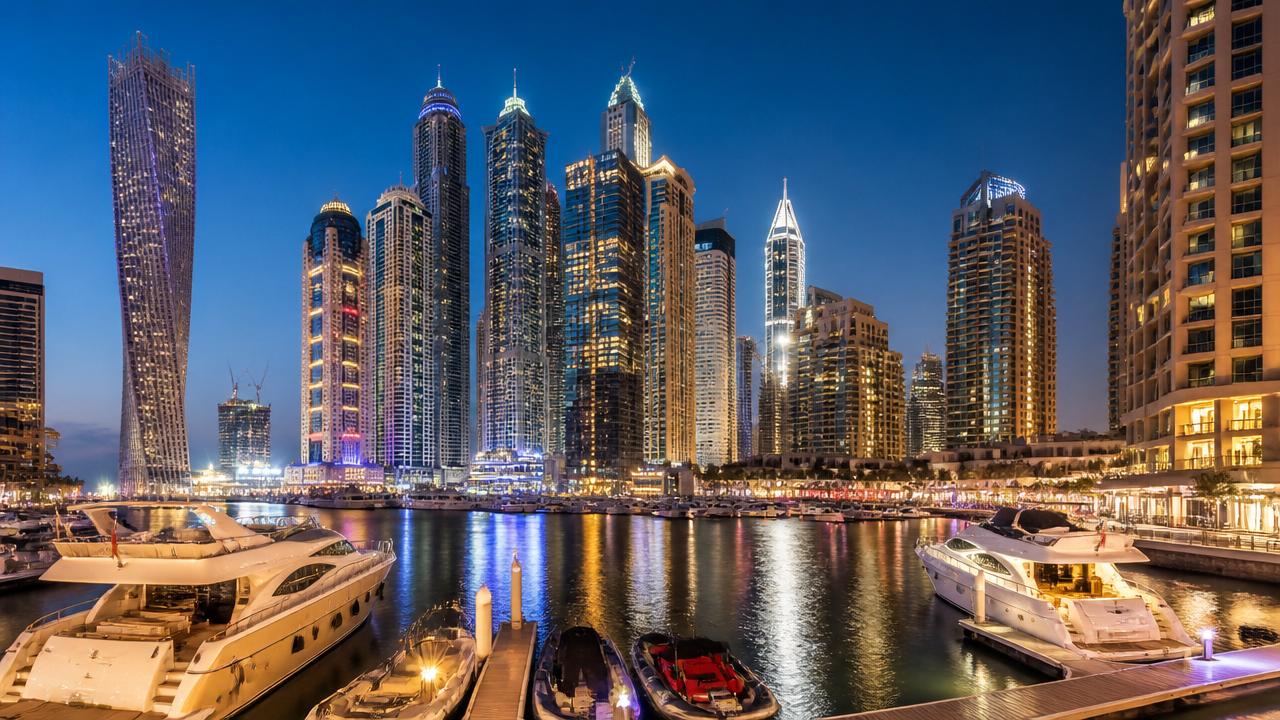


Dubai is making a serious push to become one of the world's leading cryptocurrency and blockchain business centres. What started with government-backed blockchain initiatives has developed into a regulated market attracting international exchanges, digital asset investors and Web3 startups.
The emirate has introduced dedicated cryptocurrency regulations, established specialised business ecosystems and created licensing routes for companies offering virtual asset services.
Major exchanges such as Binance, OKX and Crypto.com have secured regulatory licences in Dubai. At the same time, the Dubai Multi Commodities Centre (DMCC) has developed a growing community of blockchain companies and technology entrepreneurs.
But how exactly is Dubai building its position as a global crypto hub? And what does this mean for businesses planning to enter the market?
Let's look at the strategy, regulations and opportunities shaping Dubai's cryptocurrency industry in 2026.
Why Is Dubai Becoming a Global Crypto Hub?
Dubai's interest in cryptocurrency forms part of a broader economic strategy. The government wants to expand the digital economy, attract international technology companies and develop new financial services.
The UAE Digital Economy Strategy aims to increase the digital economy's contribution to national GDP from 9.7% in 2022 to 19.4% within ten years. Cryptocurrency and blockchain businesses fit into these ambitions because they can attract investment, create specialised jobs and introduce new financial technologies.
Several factors are helping Dubai attract crypto businesses:
A dedicated regulator for virtual asset activities
Specialised free zones and blockchain business communities
Access to international investors and financial institutions
Opportunities in digital payments and asset tokenisation
A growing network of technology companies and professional service providers
Government interest in blockchain applications
However, Dubai's approach comes with clear regulatory obligations. Companies must obtain the appropriate licences and demonstrate that they can operate safely.
In a 30-minute call we map your situation against jurisdiction, activity and cost — no commitment required.
1. Establishing VARA to Regulate Cryptocurrency Businesses
One of Dubai's most important decisions was establishing the Virtual Assets Regulatory Authority (VARA) in March 2022. Created under Law No. 4 of 2022, VARA regulates virtual asset activities across Dubai mainland and its free zones, excluding the Dubai International Financial Centre (DIFC).
Before establishing VARA, businesses faced uncertainty about how different cryptocurrency activities would be supervised. Dubai now has a dedicated authority responsible for licensing, market conduct, investor protection and regulatory oversight.
According to the official VARA regulations, businesses conducting regulated virtual asset activities must comply with the applicable licensing requirements.
What Cryptocurrency Activities Does VARA Regulate?
VARA regulates eight principal service categories:
Advisory Services
Broker-Dealer Services
Custody Services
Exchange Services
Lending and Borrowing Services
Management and Investment Services
Transfer and Settlement Services
Virtual Asset Issuance, Category 1
For example, a company operating a cryptocurrency exchange generally needs Exchange Services authorisation. A company holding customer assets may need Custody Services authorisation. The distinction matters because each activity has its own financial, operational and compliance requirements.
Businesses considering entering the market can refer to Nexture's VARA licence and business setup guide to understand the approval process.
2. Attracting International Cryptocurrency Exchanges
Dubai's regulatory framework has encouraged established cryptocurrency businesses to develop a licensed presence in the emirate. Binance, Crypto.com and OKX are among the international platforms that have obtained VARA licences for specified activities.
The presence of these companies strengthens Dubai's position in the international cryptocurrency market. Large exchanges can bring experienced professionals, technology infrastructure and institutional relationships into the local economy.
Their presence may also encourage related businesses, including blockchain analytics firms, cybersecurity providers and digital asset compliance specialists, to establish operations in Dubai.
However, a licence does not automatically authorise every cryptocurrency product or service. Each company must operate within the activities and conditions specified in its licence.
3. Developing Dedicated Crypto and Blockchain Business Ecosystems
Dubai is supporting cryptocurrency businesses through specialised commercial districts and technology communities. One of the most established examples is the DMCC Crypto Centre.
DMCC Crypto Centre
The DMCC Crypto Centre provides a business environment for cryptocurrency, blockchain and Web3 companies. Located in Uptown Tower, it offers access to networking opportunities, business infrastructure and an established technology community.
According to DMCC's official website, the centre is home to more than 650 crypto firms. Its ecosystem includes companies working in blockchain infrastructure, digital asset technology, Web3 development and related services.
For an entrepreneur, being part of a specialised business community can make it easier to identify partners, recruit professionals and connect with investors.
However, obtaining a DMCC commercial licence does not automatically authorise regulated cryptocurrency services. Businesses conducting VARA-regulated activities must secure the appropriate regulatory approval.
Dubai International Financial Centre
DIFC offers another route for financial technology and digital asset businesses. Unlike most of Dubai, DIFC operates under the Dubai Financial Services Authority (DFSA).
The DFSA's updated Crypto Token framework came into force on 12 January 2026, introducing revised requirements for firms undertaking relevant financial services involving crypto tokens. This gives businesses another regulated environment to consider, particularly when their operations involve financial services or institutional clients.
The choice between DIFC and other Dubai jurisdictions depends on the company's activities, customers and regulatory requirements.
We’ll model the requirements and send back a single-page breakdown within 24 hours.
4. Using Blockchain Technology Beyond Cryptocurrency Trading
Dubai's ambitions extend beyond buying and selling digital currencies. The government has supported blockchain development for several years through the Dubai Blockchain Strategy.
The strategy focuses on three areas:
Government efficiency
Industry creation
International leadership
The objective is to encourage practical applications of blockchain technology in government services and commercial activities. According to Digital Dubai, blockchain adoption forms part of the emirate's wider efforts to improve digital services and support technology-driven businesses.
Where Is Blockchain Creating Opportunities?
Potential applications include digital identity verification, document authentication, supply chain records, financial transactions and asset ownership management. Property tokenisation is one particularly interesting development.
Tokenisation allows rights or interests associated with assets to be represented digitally. Depending on the structure, this may create opportunities for fractional investment and more efficient ownership records. Dubai's real estate sector has already begun exploring these applications.
You can read Nexture's guide to Dubai real estate tokenisation to understand how the technology is being introduced and regulated.
The important point is that blockchain companies do not all operate as cryptocurrency exchanges.
- Introducing Clearer Rules for Digital Asset Issuance
Another part of Dubai's crypto strategy involves establishing standards for businesses that create and distribute digital assets. In April 2026, VARA published additional guidance on its Virtual Asset Issuance Rulebook. The guidance explains how different token categories are treated under Dubai's regulatory framework.
It distinguishes between:
Category 1 issuances: Certain fiat-referenced and asset-referenced virtual assets that require regulatory licensing
Category 2 issuances: Virtual assets distributed through appropriately licensed distributors
Exempt virtual assets: Assets meeting specific exemption conditions
These distinctions help businesses understand whether a proposed token requires regulatory approval and what obligations may apply.
For startups planning to launch digital assets, understanding the regulatory classification before development and distribution is essential. The rules can affect business structure, disclosures, distribution arrangements and operating costs.
For further details, see Nexture's VARA token issuance guide.
- Building Infrastructure for Digital Payments and Stablecoins
Stablecoins and digital payment infrastructure are another area receiving regulatory attention in the UAE. Stablecoins are digital tokens designed to maintain a relatively stable value, often by referencing a fiat currency.
They can support certain payment, settlement and digital asset transactions, although their risks depend on the issuer and underlying arrangements.
The Central Bank of the UAE introduced its Payment Token Services Regulation, effective from 31 August 2024. The regulation establishes requirements for payment token issuance, conversion, custody and transfer.
This regulatory framework is important because digital asset payments may fall under Central Bank supervision rather than VARA alone.
Businesses developing cryptocurrency payment solutions must therefore identify which authority regulates their proposed services.
Dubai's growing payment infrastructure could support further development in financial technology, cross-border settlements and regulated digital commerce. However, acceptance of cryptocurrency for payments remains subject to applicable laws and regulatory restrictions.
- Strengthening Investor Protection and Crypto Compliance
For Dubai to attract established financial institutions and long-term investors, confidence in the market is essential. VARA has introduced extensive requirements covering anti-money laundering, customer verification, cybersecurity and business governance.
Licensed virtual asset service providers must comply with the applicable compulsory rulebooks alongside requirements for their specific activities. These obligations can include customer due diligence, transaction monitoring, risk management, information security and regulatory reporting.
Dubai Is Taking Action Against Unlicensed Crypto Businesses
Regulatory enforcement has become an important part of Dubai's approach. In October 2025, VARA announced enforcement action against 19 firms for unlicensed virtual asset activities and marketing violations. The authority reported financial penalties ranging from AED 100,000 to AED 600,000. Its enforcement activity has continued into 2026.
This sends a clear message to companies considering the Dubai market: regulatory compliance must be part of the business plan from the beginning.
For a more detailed explanation, read Nexture's VARA compliance requirements for 2026.
- Creating Business and Investment Opportunities in Dubai's Crypto Market
As Dubai's virtual asset sector develops, opportunities are emerging across several business categories.
Business opportunity
Potential commercial activity
Cryptocurrency exchanges
Regulated buying, selling and exchange services
Crypto brokerage
Facilitating virtual asset transactions
Digital asset custody
Safeguarding customers' virtual assets
Blockchain development
Building software, infrastructure and decentralised applications
Asset tokenisation
Developing regulated digital representations of assets
Web3 consulting
Providing technical and operational support
Compliance technology
Customer screening, transaction monitoring and risk management
Some activities require direct VARA authorisation. Others may operate under commercial or technology licences, depending on their actual services.
The opportunities are significant, but entering the market requires careful planning. You need to understand the regulatory category, expected startup costs, customer base and ongoing compliance obligations before committing capital.
- How Can You Start a Crypto Business in Dubai?
If you are considering starting a cryptocurrency or blockchain company in Dubai, the process generally involves several important decisions.
- Identify Your Business Activity
Determine whether your company will operate an exchange, provide brokerage services, develop blockchain software or undertake another activity.
Your actual operations determine the regulatory requirements.
- Choose the Appropriate Jurisdiction
Consider Dubai mainland, an eligible Dubai free zone or DIFC.
Different jurisdictions have different commercial and regulatory arrangements.
- Determine the Required Licence
A regulated virtual asset business operating under VARA generally follows a two-stage process involving Approval to Incorporate and a full VASP licence.
Read Nexture's guide to starting a crypto business in Dubai for a more detailed explanation.
- Prepare Financial and Compliance Documentation
Depending on your activities, requirements may include business plans, financial projections, governance documents, compliance policies, cybersecurity systems and evidence of sufficient capital.
- Obtain Regulatory Approval
Complete the relevant commercial registration and regulatory application procedures. You cannot begin regulated virtual asset operations merely because your company has been incorporated or received preliminary approval.
- Maintain Ongoing Compliance
Once authorised, your company must maintain the required operational controls, reporting arrangements and regulatory standards.
- What Challenges Could Dubai Face as a Crypto Hub?
Despite Dubai's progress, several challenges remain.
Regulatory complexity: Businesses must understand the different responsibilities of VARA, the DFSA, the Central Bank and federal regulators.
Compliance costs: Regulated crypto companies may need significant capital, specialised personnel and advanced technical systems.
Market volatility: Cryptocurrency prices can change quickly, affecting trading activity, business revenue and investor confidence.
Financial crime risks: Crypto businesses need effective controls against money laundering, sanctions violations and fraudulent transactions.
International competition: Other financial centres are also developing digital asset regulations and seeking to attract blockchain companies.
Dubai's long-term success will depend on maintaining effective supervision while supporting commercially viable businesses.
Conclusion
Dubai's ambition to become a global crypto hub is supported by several concrete developments. The establishment of VARA, the growth of the DMCC Crypto Centre, the arrival of licensed international exchanges and the introduction of clearer digital asset regulations have strengthened the emirate's position in the cryptocurrency industry.
At the same time, government blockchain initiatives and new applications in finance and real estate are creating opportunities beyond conventional cryptocurrency trading.
For entrepreneurs and investors, Dubai offers an increasingly structured environment for digital asset businesses. However, selecting the right jurisdiction, obtaining the necessary approvals and meeting ongoing compliance requirements are essential.
If you are planning to establish a cryptocurrency, blockchain or Web3 business in Dubai, Nexture Corporate Services can assist with company formation, business licensing and regulatory coordination based on your proposed activities.
Frequently Asked Questions
Why is Dubai becoming a crypto hub?
Dubai is attracting cryptocurrency companies through dedicated virtual asset regulations, specialised business ecosystems, digital infrastructure and government support for blockchain technology. VARA plays an important role by supervising regulated virtual asset businesses.
Is cryptocurrency legal in Dubai?
Yes. Cryptocurrency and virtual asset activities can be conducted legally in Dubai within the applicable regulatory framework. However, businesses offering regulated virtual asset services generally need the appropriate authorisation before operating.
What is VARA in Dubai?
VARA stands for the Virtual Assets Regulatory Authority. Established in 2022, it supervises regulated virtual asset activities across Dubai mainland and its free zones, excluding DIFC.
Can foreigners start a crypto business in Dubai?
Yes. Foreign entrepreneurs can establish cryptocurrency and blockchain businesses in Dubai, subject to commercial licensing, regulatory approval and other applicable requirements. The necessary permissions depend on the business model.
Which companies have cryptocurrency licences in Dubai?
Companies including Binance, Crypto.com, OKX and Bybit have received VARA licences for specified virtual asset activities. Businesses should check VARA's public register for current authorisations and licence conditions.
Is Dubai tax-free for cryptocurrency businesses?
No. Cryptocurrency businesses are not automatically exempt from UAE corporate tax. The tax treatment depends on the company's activities, taxable income, legal structure and eligibility for any applicable relief or free zone treatment.
What is the future of cryptocurrency in Dubai?
Dubai is expected to continue developing its digital asset industry through regulated financial services, blockchain infrastructure, tokenisation and financial technology innovation. Its future growth will depend on market demand, investor confidence and effective regulatory supervision.