



Launching a business in the UAE is one of the most rewarding steps for foreign investors, entrepreneurs, startups, and SMEs. With Dubai being a global hub for trade, innovation, and entrepreneurship, the demand for company registration in Dubai continues to grow. A crucial step in this journey is obtaining your Company Registration Number (CRN) in UAE, which legally identifies your business with government authorities. At Nexture we know that dealing with legal and administrative tasks can be tough, particularly for new investors. This is why we act as a reliable business consultant in Dubai, making the process easier and helping you obtain your CRN smoothly and without any trouble.
Obtaining your business registration number in Dubai involves several steps, depending on whether you’re setting up in a mainland, free zone, or offshore jurisdiction. Here’s a clear guide:
Start by identifying the nature of your business. The Department of Economic Tourism (DET) or the respective free zone authority must approve your activity. This determines the type of business license in UAE you’ll need.
Mainland: DET company registration number is issued here.
Free Zone: Ideal for foreign ownership and sector-specific advantages.
Offshore: Best suited for holding companies or international trade
The ownership structure determines who can own the company, liability, and shareholding. Common types include:
Sole Proprietorship: Single owner, full control, full liability.
Limited Liability Company (LLC): 2–50 shareholders; liability limited to capital.
Free Zone Company: Allows 100% foreign ownership in most Free Zones.
Offshore Company: Non-resident ownership, mainly for international business.
Your business activity determines the type of license you need and must be approved by DET or the relevant Free Zone authority.
Check the official activity lists provided by DET or Free Zone authorities.
Ensure your chosen activity aligns with your ownership structure (e.g., some mainland activities require a local partner).
The approved activity will appear on your trade license, which is linked to your Company Registration Number (CRN).
Register your unique trade name with DET or the relevant authority. Your business name must comply with UAE naming guidelines.
Apply for a Trade License by submitting all the relevant documents to the DET. Once submitted, the DET will issue a payment voucher. After payment is made, the license will be issued.
Some economic activities are regulated by specific government bodies and need separate approvals from third-party authorities such as the RTA, TDRA, Central Bank of the UAE, and others, depending on the business activity.
Submit your trade license to the UAE Chamber of Commerce so your company is fully recognised.
Use your CRN and trade license to open a corporate bank account in Dubai or another Emirates. This allows smooth money transactions.
Corporate Tax (CT) is a direct tax on the net profit of companies and other business entities. In the UAE, all businesses holding a valid trade license must register for CT with the Federal Tax Authority (FTA).
If your company earns over AED 375,000 annually, you must register for VAT with the Federal Tax Authority (FTA) using your Company Registration Number (CRN).
To secure your CRN, you’ll need to submit specific documents to ensure legal compliance. Here’s what’s typically required:
Initial Approval Certificate – Confirmation from the relevant authority (DET or Free Zone) allowing you to proceed with the company setup.
Trade Name Certificate – Proof that your chosen business name is approved and reserved.
Memorandum of Association (MOA) or Ownership Agreement – A legal document outlining the company’s ownership structure, shareholding, and management terms.
Office Lease Agreement / Ejari – Evidence of a physical office space. (Mandatory for Mainland companies as “substance” is required.)
Passport Copies of Shareholders – Valid copies of all shareholders’ passports. Visa and Emirates ID Copies (if applicable) – For UAE residents or partners holding UAE visas.
The Company Registration Number in UAE serves as your business’s legal identity. It guarantees that your company is recognized by the government, financial institutions, and the Federal Tax Authority registration in the UAE system.
With the CRN, businesses can:
Open a business bank account in UAE
Apply for visas and work permits
Register for Corporate Tax (CT) and VAT (Value Added Tax) to ensure full tax compliance.
Enter into legal contracts ● Participate in government tenders
1. Legitimacy: Without a CRN, your business cannot legally operate in the UAE.
2. Tax & Compliance: Required for FTA(Federal Tax Authority) and VAT registration.
3. Banking Access: No CRN means no ability to open corporate bank accounts.
4. Global Credibility: It enhances trust among partners, investors, and clients.
Simply put, the CRN is the foundation for long-term growth, compliance, and expansion.
Your CRN is tied to your trade license, which typically requires annual renewal. Here’s how to stay compliant:
Submit the renewal fee and any updated documents to the DET or your Free Zone Authority before the license expires.
Ensure VAT filings, Corporate Tax (CT) obligations and update the renewed trade license with all relevant departments your company deals with, such as GDRFA (Visa), MOHRE (Work Permits), financial institutions like banks, the RTA, and any other applicable authorities.
Avoid Penalties:
An expired license can lead to fines, freezing of bank accounts, and problems with your visa. Therefore, it's best to avoid these penalties.
Regular, on-time renewals keep your CRN valid and your business running smoothly. Check deadlines through the DET online portal or the National Economic Register.
At Nexture, our expertise as a business consultant in Dubai makes us the partner of choice for entrepreneurs and foreign investors. We assist you from start to finish:
Advising on the right jurisdiction (Mainland, Free Zone, Offshore)
We handle Dubai Free Zone company registration, DET registration, and can also manage offshore company registrations.
Preparing and submitting all legal documents
Liaising with government departments for approvals
Supporting new business setup in UAE with banking, licensing, and visa services
Our mission is simple: make company formation in UAE seamless, efficient, and stress-free for you.
1. What is a CRN in UAE?
It is the Company Registration Number, a unique number assigned to every legally registered business in the UAE.
2. How long does it take to get a CRN?
On average, the process takes 1–2 weeks, depending on the business activity and jurisdiction.
3. Can I register a company in the UAE without being a resident?
Yes. Many foreign investors choose Dubai free zone company registration for 100% ownership.
4. Is a trade license the same as a CRN?
No, a trade license and a Company Registration Number (CRN) are not the same. The trade license permits you to
operate a business, while the CRN is the unique ID proving the company’s legal registration.
5. Do I need a CRN for a small business or startup?
Yes. Whether a startup, SME, or large enterprise, all businesses need a CRN for legal compliance.
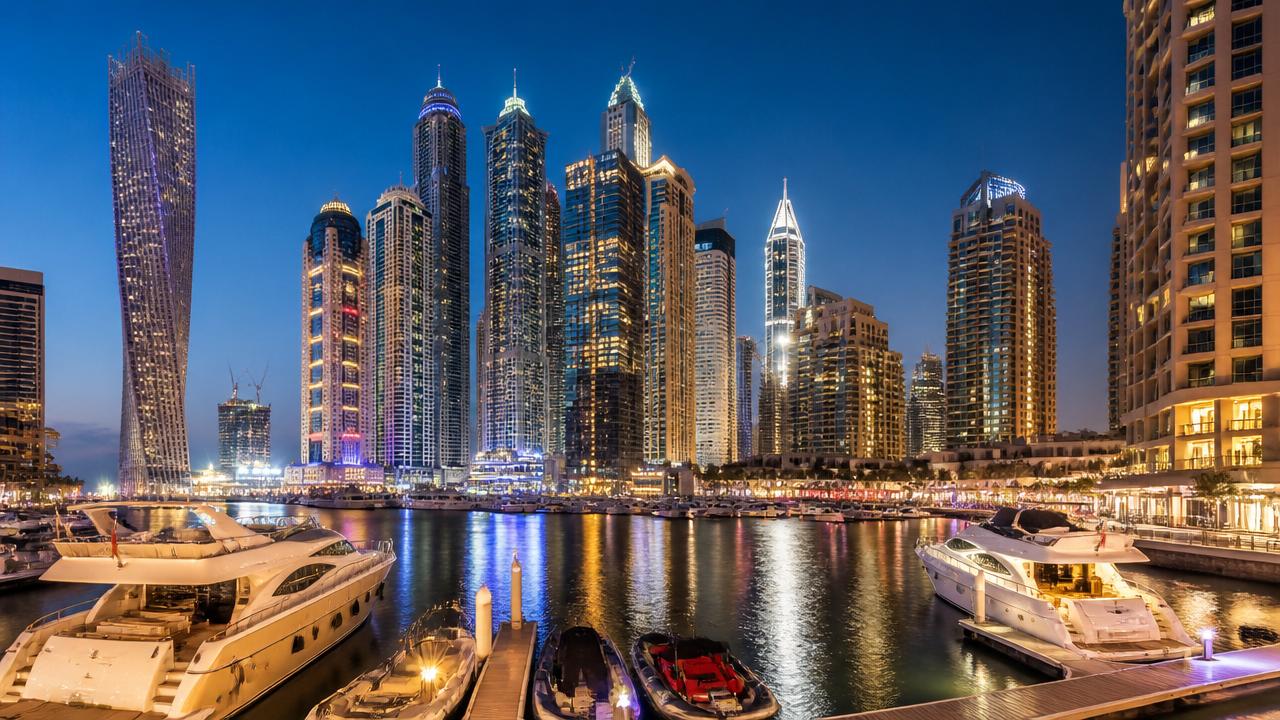
Starting a company in Dubai or anywhere in the UAE requires proper legal registration. The Company Registration Number in UAE is not just a number, it's your gateway to doing business legally and building credibility in one of the world’s fastest-growing economies. At Nexture, we make the process smooth by offering end-to-end support for business registration in UAE. Whether you’re a startup, an SME, or a global enterprise, our team ensures your business is set up for success with the right licenses, approvals, and CRN. Ready to register a company in the UAE? Let Nexture handle the process while you focus on growing your business.

Dubai has a tendency to attract ambitious people, and rightfully so. The reason why entrepreneurs, investors, and professionals in various parts of the world still prefer to choose this city is simply because of the opportunities. The potential of business growth here is clear and tangible, with a business-friendly environment, a booming digital economy, and the opportunity to access the UAE and GCC markets.
From small business opportunities in Dubai to large-scale investment opportunities in Dubai, the city offers something for every ambition and budget.
Dubai is a powerhouse for trade. Here is why entrepreneurs are still betting on this city in 2026:
● Strategic Location: You're sitting at the gateway between the East and the West, making international trade feel like a local transaction.
● Strong Consumer Demand: Retail, technology, food, and services - steady consumer demand due to a diverse population.
● Ownership Flexibility: You prefer to have 10% ownership in a free zone or on the mainland; the policies are made to ensure that you remain in charge.
● Digital Growth: The city is tech-forward, and therefore, online businesses and other digital ventures are very feasible.
● High-Spending Audience: With the booming tourism industry and the large expatriate population, the demand levels of high-end products and services are always high.
Before you jump in, you’ve got to do your homework. Choosing the right path requires a proper strategy.
● Assess Your Budget and Risk Appetite: Start with clarity. Your investment level will shape your options.
● Choose Between Service, Trading, or Product-Based Models: They have varying costs, margins, and operational requirements.
● Understand Mainland vs Free Zone Suitability: Free zones are easy to set up, whereas mainland arrangements offer greater market accessibility.
● Evaluate Licensing and Regulatory Complexity: There are industries that need more than just a regular license.
● Match the Business Idea to Market Demand: No matter how good the idea is, it will not work without demand; research is important.
This is the heavy hitter. With high internet penetration, everyone is buying online. Whether it’s a fashion brand or a niche product, the setup is straightforward, and the scalability is massive.
The market isn't slowing down. From property management to luxury holiday home rentals, there’s a constant need for reliable intermediaries as the city expands.
Cloud kitchens are very popular right now. You can launch a specialty food concept without the massive overhead of a physical dining room.
With Dubai hosting global events year-round, premium desert tours and event-linked travel services are incredibly profitable.
Thousands of new SMEs need SEO, social media, and content production. If you can drive ROI, you’ll never run out of work.
Everything is moving to the cloud. App development, cybersecurity, and AI-driven automation are high-demand sectors in this "smart city."
From specialized clinics to home-based nursing and wellness apps, people in Dubai are investing more than ever in their health.
E-commerce needs wheels. Last-mile delivery and warehousing support are the backbone of the city’s retail growth.
Upskilling is huge. The workforce is changing, and professional training centers and online learning platforms are flourishing.
With new skyscrapers and residential communities popping up daily, recurring contracts for maintenance and deep cleaning are gold.
Dubai loves luxury. High-end salon concepts or mobile grooming services for busy professionals are always in style.
People need help navigating the setup! If you understand the legalities, offering company setup and visa support is a rock-solid model.
Freelancing, online selling, content creation, and consultancy are great entry points. Many of these require minimal setup and can scale gradually.
Keep your eye on AI and automation, sustainable tech, and social commerce. These are where the capital is flowing. Wellness, tourism experiences, and real estate-linked services are also leading the next wave of growth.
● Under AED 15,000: Ideal for freelancers and e-traders.
● AED 15,000 to AED 50,000: Perfect for small agencies or boutique retail.
● AED 50,000 and Above: Required for physical stores, industrial ventures, or large-scale logistics.
● Commercial License: For general trading.
● Professional License: For service-based or artisanal work.
● Industrial License: For manufacturing and heavy machinery.
● Tourism License: Specifically for travel operators.
Can foreigners start a business in Dubai?
Absolutely. In fact, most businesses here are expat-owned.
Is a free zone or the mainland better for new businesses?
It depends. Free zones are great for 100% ownership and tax perks, while the Mainland allows you to trade directly with the local market.
How much does it cost to start a business in Dubai?
It can range from AED 6,000 for a simple e-trader license to AED 30,000+ for a full mainland setup.
What license do I need for my business idea?
It’s activity-specific. Most tech startups go for a professional or e-commerce license.
How long does it take to start a business in Dubai?
In some free zones, you can get your license in under 24 hours! Mainlands usually take about a week.

Considering starting an online business in Dubai? That’s a smart move. The e-commerce market in Dubai is thriving, with an annual revenue of USD 55.2 million as of 2025 and a projected annual revenue of USD 269.8 million by 2033.
With almost 100% of the UAE population now online, the opportunity is very real. If you're thinking about launching an online business here, getting the right license is your first move.
Let's break it down.
An e-commerce license in Dubai is the formal authorization to sell products or services over the internet. It includes internet-based shopping, e-marketplaces, and even web-based or application-based service platforms.
Not just big retailers. You'll need this if you're running:
Online retail stores – Your own branded website selling products
Marketplace sellers – Selling via platforms like Amazon or Noon
Social commerce businesses – Selling through Instagram or WhatsApp
Drop Shipping businesses – No inventory, just smart logistics
Service-based online businesses – Consulting, design, or digital services
As soon as you are licensed, you may sell either on your own site or on marketplaces such as Amazon or Noon, advertise online, and trade within your licensed business operations. It’s your green light to start your business without having to look over your shoulder.
Dubai isn’t just a global city but a thriving digital marketplace. Digital adoption is high, online buying demand is only growing, and you get access to:
Access to the UAE and GCC Markets
Flexible Setup Options for Founders and SMEs
Potential Tax and Ownership Advantages
Scalable Logistics and Payment Ecosystem
The fundamentals in this case are really sound. You are also accessing a technologically advanced population with high buying capacity, no personal income tax, no capital gains tax, and possibly no VAT on exportation beyond the GCC. With active government support for e-commerce, it's a solid place to build.
Anyone planning to build an online business in Dubai should apply for an e-commerce license. It includes:
First-time entrepreneurs
Existing offline businesses going digital
International sellers entering the UAE market
Freelancers and small home-based sellers
This is usually the go-to option, where most startups begin. Free zones offer simpler setup processes, ownership flexibility, bundled packages, and costs that suit early-stage founders well.
Mainland makes sense when you want broader local business activity: direct trade with UAE government entities, physical retail alongside your online store, or more operational flexibility across the country.
If you're a UAE or GCC national running a home-based business, the E-Trader license is a low-cost entry point worth exploring.
It depends on your budget, visa needs, business activity, target customers, and future expansion plans. There's no single right answer, as it's all about fit.
Costs vary based on jurisdiction, number of business activities, visa requirements, office or flexi-desk requirements, government fees, and add-on approvals.
License fee, registration fee, name reservation, establishment card, visa costs, Emirates ID and medical fees, and office or desk packages if required.
Don't forget renewals, banking support fees, VAT registration if needed, translation or attestation charges, marketplace onboarding costs, and website or payment gateway setup.
You'll typically need:
Passport copies of shareholders and directors
Emirates ID copies, if applicable
A business plan
Trade name reservation certificate
Memorandum of Association draft
Proof of address, depending on the license type
Additional documents apply to partners, corporate shareholders, or visa applications.
Finalize your business activity
Choose mainland or free zone
Reserve your trade name
Submit your application and documents
Receive initial approval
Pay the license fees
Apply for a visa and the immigration process, if needed
Open a corporate bank account
Launch your website and start selling
Do I need an e-commerce license to sell online in Dubai?
Yes, selling online commercially without a license isn't legal in the UAE.
How much does an e-commerce license cost in Dubai?
It varies by jurisdiction and setup, but free zone packages often start from AED 5,750 onwards.
Can foreigners get an e-commerce license in Dubai?
Absolutely. Free zones especially offer 100% foreign ownership.
Is a free zone or the mainland better for an e-commerce business?
A free zone suits most online-only businesses. The mainland works better if you need broader local market access.
Can I sell on Amazon or Noon with an e-commerce license?
Yes, both platforms accept UAE-licensed sellers.

Dubai remains a key player in global news as one of the fastest-growing real estate markets worldwide. In 2024, the city saw transactions exceeding AED 528 billion, outpacing other major property hubs. This surge presents incredible opportunities particularly for Indian real estate firms looking to enter Dubai’s booming market.
However, to succeed here, brokers must do more than just sell properties. They require a thorough understanding of licensing, compliance, taxation, and marketing rules set by the Dubai Land Department (DLD) and the Real Estate Regulatory Agency (RERA). This detailed guide, based on insights from Nexture, a top business consultant in Dubai, outlines everything a real estate broker needs to know to operate legally, efficiently, and profitably.
Dubai’s real estate sector forms a crucial pillar of the UAE’s economy, driven by regulatory transparency, investor trust, and massive infrastructure projects.
Transparency & Regulation: DLD and RERA maintain a well-structured legal framework ensuring all brokers, offices, and advertisements are traceable. This transparency minimizes malpractice and strengthens investor confidence.
Global Appeal: Buyers from India, Russia, China, and Europe dominate the cross-border investment segment.
Residential & Commercial Growth: While luxury off-plan developments lead the market, Dubai’s commercial and logistics spaces are witnessing steady growth.
Compliance as a Differentiator: With stricter enforcement of AML, REAR, and Trakheesi rules, compliant brokerages enjoy a clear advantage in reputation and credibility.
Before making your first sale, you must get your mainland trade licence — not a free-zone licence since only mainland brokerages can transact directly within the UAE market.
Mainland (DET) trade licence with real-estate brokerage activities, not just a free-zone licence. DLD/RERA’s flow: apply for the licence through DET → register on Trakheesi → issue practice cards.
Why choose mainland (instead of free zone) for brokerage? Free zones do not allow direct transactions in the UAE mainland; RERA registration is linked to a DET licence. DMCC and other free zones indicate that real estate activities usually need external approvals or are limited for brokerages operating in the mainland.
Office/Ejari requirement. Mainland licences require a physical office and an Ejari-registered lease before issuance/renewal
Partnering with a business consultant in Dubai like Nexture can streamline this process. Nexture helps new brokerages complete trade licensing, office setup, and RERA registration while ensuring all paperwork aligns with DLD standards.
Dubai’s property market operates on strict compliance rules — failure to follow them can lead to fines or licence suspension.
1. The RERA Pathway
Step 1: DET Licence — Mainland trade licence with brokerage activity.
Step 2: Trakheesi Account — DLD’s central system to generate permits, register contracts, and manage compliance.
Step 3: Broker/Office Practice Cards — Office gets an ORN; each agent must obtain a practice card through Trakheesi.
2. Company ORN + Agent BRNs
ORN (Office Registration Number): Brokerage’s unique identifier (must appear on ads, contracts, official comms).
BRN (Broker Registration Number): Issued only after DREI course +RERA exam. Without ORN/BRN, any deal touched is considered invalid.
3. Good-Conduct + Residency Requirements
Brokers must hold a valid UAE residency visa (freelancers on visit visas can’t operate).
Police Good Conduct Certificate required — background check to uphold sector integrity.
In Dubai, you can’t just list a property or run an ad because you have a licence. Every advertisement — from a portal listing to a boosted Facebook post — must be individually authorised via Trakheesi.
1. Trakheesi Marketing Permits (Non-Negotiable)
Permit per Ad: Every listing/creative requires a unique permit generated via your Trakheesi account.
Cost: AED 1,000 + AED 10 Knowledge + AED 10 Innovation.
Validity: Tied to a specific property + owner agreement (no re-use across multiple listings).
Why it matters: Property Finder, Bayut, Dubizzle auto-sync with Trakheesi; without a permit, listings won’t go live. On social, the permit number + QR code must appear on the creative.
2. QR Code Requirement
Mandatory on all ads (since 2022).
Function: Scan shows property details, brokerage ORN, agent BRN — instant transparency.
Enforcement: Missing QR → fines, takedowns, even licence suspension.
Pro Tip: Bake the QR into your ad templates (flyers, posts, video frames) to avoid rework.
3. Owner Marketing Contract (Form A)
Form A = permission to advertise. Must be signed before permit application.
Includes: Property details, listing terms, commission, validity period.
Why critical: Without Form A, DLD rejects the permit; it also protects your commission rights.
4. Lead Generation Boundaries
No “blind ads”. Generic “investment opportunity” or “luxury living” promos must link to a valid permit/QR.
Social: Every Meta/TikTok/Google creative shows permit + QR.
Portals: Nightly compliance checks; invalid/expired permits are auto-removed.
nexture recommends integrating QR codes and permit numbers directly into ad templates to avoid non-compliance penalties.
Dubai uses the Dubai REST app for official real estate transactions. Brokers must use the following standard forms:
Form A (Listing Agreement): Owner ↔ Brokerage. Required for permits.
Form B (Buyer Agreement): Buyer ↔ Brokerage. Secures your buyer-side commission.
Form F (Unified Sale Contract): Buyer ↔ Seller. Must be generated/approved in REST; required for title transfer.
Workflow (Secondary Sale):
1. Owner onboarding → Sign Form A → Generate permit + QR → Publish
compliant listings.
2. Buyer engagement → Viewings → Sign Form B.
3. Offer & negotiation in REST.
4. Contract execution → Sign Form F; upload IDs, visas, Title Deed, etc.
5. DLD approval & transfer (escrow/approved channels).
For leasing, Form I is used for tenants, with all contracts registered under Ejari for transparency in disputes and utility management.
Brokerages in Dubai are classified as Designated Non-Financial Businesses and Professions (DNFBPs) and must comply with AML (Anti-Money Laundering) and CFT (Counter-Financing of Terrorism) laws.
DNFBP status: Real-estate brokerages are supervised by the Ministry of Economy.
1. The Basics Every Brokerage Must Implement
Risk Assessment (PEPs, offshore entities, crypto-funded investors). KYC (passport, visa, Emirates ID, proof of address, source of funds). Record Keeping (≥ 5 years). Training (red flags, escalation).
2. goAML Platform Registration
What: MoE’s system for STR (Suspicious Transaction Report) and SAR (Suspicious Activity Report).
Mandatory: Register before operations begin.
3. REAR (Real Estate Activity Report) — since 1 July 2022
Triggers:
1. Cash ≥ AED 55,000 (single or linked).
2. Virtual assets (crypto) used.
3. Funds converted from crypto.
Process: Collect/verify IDs & source of funds → File REAR in goAML →
Retain records.
4. Practical Workflow
Onboarding: Collect full KYC.
Pre-transaction: Risk screen (cash/crypto/sanctions). During: If thresholds hit, prepare REAR. Post: Store files; file STR/SAR if required.
5. Why This Matters
Reputation: One non-compliance can blacklist you with banks/regulators.
Operations: Banks can freeze accounts if inflows lack AML/REAR compliance.
Positioning: “AML-Compliant / REAR-Ready” differentiates you with
HNIs/institutions.
Failure to comply can lead to banking issues, reputation damage, and operational freezes.
A professional business consultant in Dubai like Nexture can help brokerages establish AML policies, prepare reports, and maintain compliance files securely.
In contrast to India, Dubai does not charge income tax on individuals or companies engaged in regular trading activities. However, once you exceed certain limits, Value Added Tax (VAT) is applicable to brokerages.
1. VAT Registration Thresholds
Mandatory Registration: If taxable turnover exceeds AED 375,000 in the past 12 months, register with the Federal Tax Authority (FTA).
Voluntary Registration: If turnover exceeds AED 187,500, you may register voluntarily — useful for startups seeking input VAT credits and added credibility.
Timeline: After hitting the threshold, apply within 30 days to avoid penalties.
2. VAT on Brokerage Commissions
Standard Rate: 5% VAT on brokerage services (sales and leasing).
Scope:
Residential Sales: Property may be exempt/zero-rated depending on status, but your commission is always VAT-able.
Commercial Sales & Leasing: Both property and brokerage services are generally VAT-applicable.
Practical Note: Always add “+5% VAT” in commission agreements and invoices.
3. VAT Returns & Compliance
Filing: Usually quarterly (monthly for larger taxpayers).
Reporting: Declare taxable supplies, input VAT (reclaimable), and net VAT due.
Payment: Settle electronically via the FTA portal by due date.
Record-Keeping: Keep tax invoices, contracts, VAT records for 5 years (or more, depending on emirate rules).
4. Other Financial Considerations
Banking: UAE banks are strict; a clean AML record + VAT registration eases account operations.
Audit Readiness: New registrants are often audited; maintain clean digital records.
Cross-Border Payments: For NRI clients, ensure transparent licensed exchange channels. Invoice–receipt mismatches can trigger AML flags.
5. Why This Matters
Trust Factor: Corporate/HNI clients expect VAT-compliant invoices.
Cash Flow: VAT is due even if a client pays late—maintain reserves.
Growth Signal: Voluntary VAT registration signals maturity and compliance.
This is the operational roadmap for an Indian brokerage to become fully compliant and market-ready in Dubai. Each step builds on the last:
1. Reserve Trade Name & Initial Approval (DET)
Apply via DET; choose a compliant name reflecting real-estate activity.
2. Lease Office & Register Ejari
Main land brokerages must have a physical office; register tenancy with Ejari.
3. Issue Mainland Licence (Invest in Dubai/DET)
Finalise licence with real estate broker age activity.
4. Open Corporate Bank Account
Provide licence, Ejari, shareholder docs, compliance proof.
5. Register with DLD/RERA + Create Trakheesi Access Get ORN and activate Trakheesi.
6. Agents Complete DREI Training & RERA Exam → BRNs Issued
7. Set AML Stack
Risk assessment, sanctions checks, KYC checklist, go AML registration, REAR SOP.
8. Register for VAT
The mandatory minimum requirement is AED 375,000, while the voluntary minimum requirement is AED 187,500.
9. Activate Trakheesi Ad Permits + QR
Issue permits per listing; embed QR in all creatives.
Residential Brokerage:
Relies heavily on portals like Property Finder, Bayut, and Dubizzle.
Each property must have a Form A and Trakheesi permit before advertising.
Daily portal syncs automatically remove non-compliant listings.
Commercial Brokerage:
Focuses on long-term leasing, corporate spaces, and B2B transactions.
Brokers often advise clients on fit-outs, feasibility, and leasing strategy.
All listings still require permits and QR codes for validation.
1. Residential Leasing (Rentals)
Tenant pays: 5% of the annual rent value (industry standard).
Landlord pays: Occasionally in premium communities to attract tenants, but rare.
Ejari registration: AED 215 fee borne by tenant, not commissionable.
Renewals: Typically, no commission, unless agreed at contract start.
2. Commercial Leasing
Commission rate: 5% of the total annual rent (sometimes capped for high-ticket leases).
Paid by tenant: Standard; in long-term corporate leases, landlords may share or cover it.
Advisory fees: Some brokers charge extra for fit-out or feasibility consultancy (non-standard, but rising trend).
3. Sales (for reference)
Seller pays: 2% of property sale price (with AED 20,000 minimum common).
Buyer pays: Rarely, unless under an exclusive buyer-agent agreement.
VAT: All commissions subject to +5% VAT — ensure this is written in every invoice and agreement.
Portals: Prioritise Property Finder, Bayut, Dubizzle; ensure nightly revalidation passes.
Paid Ads: Trakheesi-permitted Meta/Search ads (English/Hinglish/Arabic) with permit + QR on creative.
Bilingual Funnels: English/Hindi/Arabic for NRIs and local landlords.
Content: Dubai-India corridor (tax, remittance, Golden Visa), gated calculators, instant WhatsApp follow-ups.
Mainland licence + Ejari, DLD/RERA registration, ORN/BRNs, goAML, REAR SOP, Trakheesi access, VAT prep.
Keep copy + process maps in one compliance hub.
Phase 1 — Supply Unlock (Exclusive Inventory Flywheel)
Form-A pipeline: Micro-farm 6–8 buildings/communities; owner workshops;QR-compliant teaser ads → valuation consults → signed Form A.
Developer ties (off-plan): Map unit release schedules; pre-book Electronic Advertisement permits for launch weeks.
Phase 2 — Demand Engine
Permitted performance: Run Trakheesi-permitted ads with permit/QR embedded.
Portals: Front-load PF/Bayut/Dubizzle; pass nightly DLD revalidation.
PLG for investors: Corridor content, calculators, WhatsApp automations.
Tooling (lean stack)
CRM (PropSpace / Salesforce), Phone + WhatsApp (recorded, consented), Sanctions/KYC plug-in, Permit bot to check ad IDs pre-publish.
Nexture recommends combining compliance-driven marketing with personalized bilingual campaigns to gain credibility and outperform non-compliant competitors.
Several Indian brokerages have already established strong presences:
Square Yards — UAE-facing portal & mortgage funnels; media-heavy lead aggregation.
ANAROCK Middle East — Luxury advisory; consultative sales positioning.
360 Realtors & Investors Clinic — Aggressive Dubai inventory marketing across portals/social; cross-border pipelines.
Gaps you can exploit
Permit discipline in social (QR/permit in every creative).
Compliance-led trust (public REAR/AML stance and KYC steps).
Hindi/Arabic bilingual funnels for NRI + local landlord acquisition.
Commercial specialization (strata office/retail; B2B leasing/investment advisory).
New entrants can gain a clear advantage by working with Nexture, leveraging their expertise in regulatory compliance, DED licensing, and corporate structuring.
Nexture Corporate Service is a trusted business consultant in Dubai, helping entrepreneurs, SMEs, and real estate professionals set up and scale their operations.
Their services include:
Business setup and trade licensing
RERA/DLD registration support
PRO and visa services
AML, VAT, and compliance management
To thrive as a real estate broker in Dubai, you need to understand the city’s legal, operational, and marketing environment. Being a skilled salesperson is just the beginning you also need to be compliant, transparent, and trustworthy.
By collaborating with a professional business consultant in Dubai such as Nexture, you can easily manage licensing, VAT, and AML regulations, allowing you to concentrate on what really counts, establishing trust, expanding your network, and finalizing transactions in one of the most vibrant property markets globally.