

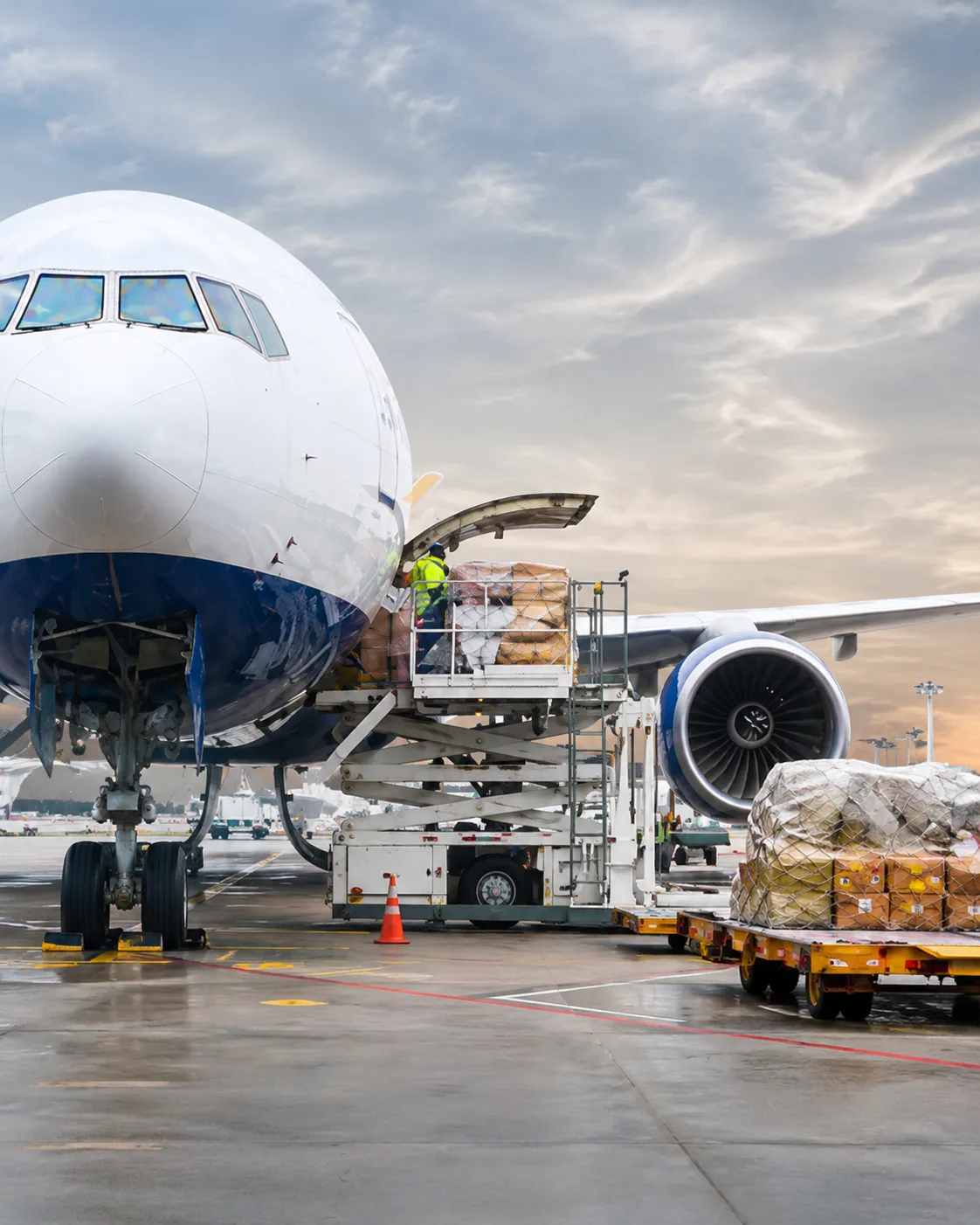
Dubai handles a huge volume of air freight every year. Dubai International Airport alone handled more than 2.2 million tonnes of cargo in 2024, while Dubai World Central continues to expand as the emirate's long-term aviation and logistics hub. Dubai Airports says the combined cargo facilities at DXB and DWC can currently handle almost 4 million tonnes annually.
For a freight forwarding or air cargo company, that creates a large market. It also means the business is regulated more closely than a standard consultancy or trading company.
Getting an air cargo licence Dubai involves selecting the correct commercial activity, obtaining the necessary Dubai Civil Aviation Authority approval and completing customs and operational registrations where applicable.
There is another point you need to understand. A company providing general airfreight services does not necessarily have the same regulatory requirements as a company operating as a regulated airfreight forwarder and carrying out aviation security controls.
This guide explains the difference and takes you through the setup process.
What Is an Air Cargo Licence in Dubai?
An air cargo business licence allows a company to provide approved services connected with transporting goods by air. Dubai's current civil aviation activity framework specifically lists Airfreight Services as Activity 33.
The official description covers freight services for goods exported by air, including:
Cargo storage
Packaging
Loading and unloading
Sorting
Arranging cargo space
Reserving space with an airfreight carrier or its agent
Certain animal transportation services
Dubai also separately lists Airfreight Carrier Agent as Activity 37. This applies to agents of international airlines that arrange airfreight operations and have authority to book cargo capacity for imported, exported or re-exported goods.
This distinction matters. Your commercial licence and DCAA approval should match what the business will actually do.
If you are still deciding between different logistics activities, Nexture's guide to starting a logistics business in the UAE can help you understand the broader licensing options.
In a 30-minute call we map your situation against jurisdiction, activity and cost — no commitment required.
Do You Need DCAA Approval for an Air Cargo Business?
Yes, airfreight services are regulated civil aviation activities in Dubai. Under Dubai Administrative Resolution No. 20 of 2023, businesses carrying out listed civil aviation activities must obtain the applicable permit from the Dubai Civil Aviation Authority (DCAA).
The applicant must first hold a valid commercial licence issued by the relevant Dubai licensing authority. It must then satisfy the technical conditions prescribed by DCAA and provide GCAA or other government approvals when these apply to the activity.
DCAA normally decides on a civil aviation permit application within 10 working days after receiving a compliant application. The permit is generally valid for one year and can be renewed.
Airfreight Services vs Regulated Airfreight Forwarder
This is one of the most important distinctions when applying for an air cargo licence in Dubai.
A company may arrange freight bookings, packaging, cargo handling and related forwarding services without necessarily carrying out the security controls that make it a Regulated Airfreight Forwarder.
Dubai Administrative Resolution No. 29 of 2021 defines the regulated activity around implementing airfreight security controls and procedures, including security checks and surveillance at sites connected with airfreight.
A company cannot carry out that regulated activity without specific DCAA authorisation. If your business falls into this category, the requirements become more detailed.
A regulated airfreight forwarder may need:
A valid Dubai commercial licence
Approved security procedures
Compliant premises and facilities
Approved security and surveillance equipment
Staff security background checks
A trained chief security officer
Appropriate cargo screening arrangements
Emergency and security response procedures
Internal security quality-control systems
Compliant vehicles where cargo is transported
DCAA coordinates with bodies including Dubai Police and the Security Industry Regulatory Agency when assessing these operations.
The authorisation process also includes a field inspection of the establishment and its facilities. Once the inspection is completed and all conditions are met, DCAA rules provide for issuance of the authorisation within 10 days. The authorisation is valid for one year.
That means you should determine your exact operating model before renting a warehouse or investing in screening equipment.
GCAA Regulated Agent Requirements
Federal aviation security requirements can also apply. The UAE General Civil Aviation Authority operates a Regulated Agent Regime for air cargo security. GCAA defines a regulated agent as a freight forwarder, agent or other entity that conducts business with an aircraft operator and applies cargo or mail security controls accepted or required by the authority.
Under UAE aviation security rules, regulated agents that screen or secure cargo must receive approval from the competent authority. Cargo must remain protected against unauthorised interference once the required security controls have been applied.
Mainland or Free Zone for an Air Cargo Company?
You can consider both mainland and suitable free-zone structures, but the right jurisdiction depends heavily on where you will operate.
Dubai Mainland
A mainland structure can suit companies that need broader UAE operations, direct customer access or premises outside a free zone.
The commercial licence will normally be issued through the relevant Dubai economic licensing system, followed by the required aviation approvals.
For a broader overview of incorporation, read Nexture's Dubai company setup guide.
Dubai Airport Free Zone
Dubai Airport Free Zone can make sense for businesses that depend heavily on aviation, international distribution and proximity to DXB.
DAFZ offers offices, warehouses and other commercial facilities near Dubai International Airport. You can compare the setup requirements in Nexture's Dubai Airport Free Zone company setup guide.
Dubai South
Dubai South is another important option, particularly for companies planning operations around Dubai World Central.
DWC already has dedicated cargo terminals and a bonded road connection with Jebel Ali, supporting sea-to-air cargo movements. Dubai Airports says DWC's long-term expansion is designed for an eventual cargo capacity of up to 12 million tonnes annually.
See Nexture's Dubai South Free Zone setup guide before comparing facilities and licence packages.
Documents Required for an Air Cargo Licence Dubai
- The exact documents depend on the shareholder structure, jurisdiction and type of air cargo activity.
- A typical company formation file may include:
Passport copies of shareholders
Emirates ID and UAE residence visa copies, where applicable
Passport-size photographs
Proposed company names
Business activity details
Initial approval documents
Memorandum of Association or constitutional documents
Office or warehouse lease
Ejari for applicable mainland premises
Manager or authorised signatory documents
DCAA application documents
Facility and security documentation where required
GCAA or other regulator approvals where applicable
Corporate shareholders may also need incorporation certificates, board resolutions and constitutional documents.
Step-by-Step Process to Get an Air Cargo Licence in Dubai
- Define Your Air Cargo Activity
Start with the exact service you plan to provide.
There is a difference between arranging freight shipments, operating cargo handling facilities, acting on behalf of an airline and implementing regulated cargo security procedures.
Choosing the wrong activity can create problems when you reach the aviation approval stage.
- Choose Mainland or Free Zone
Compare your customer base, warehouse requirements, airport access, customs arrangements and expansion plans.
A small forwarding company that books cargo space may have very different premises requirements from an operator storing, consolidating and screening cargo.
- Reserve the Trade Name and Obtain Initial Approval
Submit your proposed company name and incorporation details to the relevant licensing authority.
Additional approvals may be triggered because airfreight is a regulated activity.
- Arrange the Required Premises
Your office or operational facility should match the selected activity.
Regulated airfreight forwarders face much stricter facility requirements. Their premises, warehouses, surveillance systems, screening equipment and security processes may be inspected before authorisation.
Do not sign a costly long-term warehouse lease until the technical requirements have been checked.
- Obtain DCAA Approval
Apply for the appropriate DCAA civil aviation permit. For a standard listed civil aviation activity, DCAA checks the commercial licence, technical requirements and any additional regulator approvals.
Companies conducting regulated airfreight security activities face the separate authorisation and inspection requirements discussed earlier.
- Complete Commercial Licensing
Once the necessary external approvals are available, complete the remaining licensing requirements with the commercial licensing authority.
Your licence should accurately reflect the airfreight activities that DCAA has approved.
- Register With Dubai Customs
Businesses that will directly transact with Dubai Customs need Customs registration and a business code.
Dubai Customs currently lists an AED 100 business registration fee, plus AED 20 in Knowledge and Innovation fees where applicable. The published processing time is one working day. Required documents include a trade licence and identification documents for the authorised person.
Dubai Trade also confirms that businesses carrying out cargo consolidation may register the relevant business type as Cargo Handler, subject to having the necessary licensed activities and facility documentation.
- Consider IATA Accreditation
IATA accreditation is separate from simply having a Dubai Trade licence.
For companies that want an established commercial relationship with participating airlines and access to the international cargo agency framework, IATA Cargo Agent accreditation may be useful.
IATA publishes a UAE-specific cargo agent application framework with multiple accreditation requirements.
How Much Does an Air Cargo Licence Cost in Dubai?
There is no single official all-inclusive price for an air cargo company. Your final budget depends on:
Cost Component | What Affects the Cost |
Commercial licence | Jurisdiction, activities and legal structure |
DCAA approval | Type of civil aviation activity and applicable regulatory requirements |
Office or warehouse | Location, size and airport proximity |
Security equipment | Required mainly for regulated security operations |
Facility approvals | Operational model and premises |
Customs registration | AED 100 plus applicable Knowledge and Innovation fees |
Employee visas | Number of employees and jurisdiction |
GCAA approvals | Whether federal regulated-agent requirements apply |
IATA accreditation | Optional depending on operating model |
Vehicles and equipment | Cargo transport and handling requirements |
Avoid relying on a low advertised licence package as your total startup budget.
A forwarding company operating from an office and outsourcing physical handling may have a much lower setup cost than a regulated operator with a warehouse, screening equipment, surveillance systems, trained security personnel and cargo vehicles.
We’ll model the requirements and send back a single-page breakdown within 24 hours.
Can an Air Cargo Company Handle Dangerous Goods?
Potentially, but additional aviation rules apply. GCAA regulations state that freight forwarders and cargo agents must not offer or accept dangerous goods for air transport unless they meet the required GCAA dangerous-goods certification requirements under applicable regulations, ICAO technical instructions and IATA Dangerous Goods Regulations.
DCAA also has separate requirements connected with dangerous goods in Dubai. Do not add dangerous-goods handling to your service list until you have confirmed the required staff training, certification, storage and transport arrangements.
Customs Requirements for Air Cargo Companies
Customs registration becomes important when your company is directly involved in importing, exporting, transit or customs clearance.
Dubai Customs allows registered businesses to submit declarations covering:
Imports
Exports
Transit
Transfers
Temporary admission
Supporting documents may include commercial invoices, packing lists, certificates of origin and permits from restricted-goods authorities.
A customs business code does not automatically allow every company to act as a customs clearing agent. Your licensed activity and Customs registration type must support the service you intend to provide.
Common Mistakes When Starting an Air Cargo Company
One common mistake is selecting a generic logistics activity without confirming whether DCAA approval applies.
Another is assuming that every freight forwarder automatically needs the full regulated-airfreight security authorisation. The correct requirement depends on the activities your company performs.
Premises are another issue. Signing a lease before checking technical and security requirements can become expensive if the warehouse later needs major changes.
You should also avoid assuming that a commercial licence alone allows you to clear cargo through Customs, perform security screening or accept dangerous goods.
Each of these functions can bring separate regulatory requirements.
Conclusion
Getting an air cargo licence Dubai requires more than registering a logistics company.
Airfreight Services is a recognised DCAA-regulated civil aviation activity, and companies must obtain the approvals that apply to their specific operations. Businesses that perform regulated air cargo security functions face additional authorisation, facility, security, personnel and inspection requirements.
You may also need Dubai Customs registration, GCAA approvals, cargo-handler registration or IATA accreditation depending on how the business operates.
Define those activities before choosing your jurisdiction or premises. Doing this early can prevent licence amendments, unsuitable warehouse commitments and delays with aviation authorities.
Frequently Asked Questions
How do I get an air cargo licence in Dubai?
Select the correct airfreight activity, choose a mainland or eligible free-zone jurisdiction, obtain your commercial licensing approvals, satisfy DCAA requirements and complete the trade licence. Customs, GCAA and other registrations may also apply depending on your operations.
Is DCAA approval required for an air cargo company?
Airfreight Services appears on Dubai's list of regulated civil aviation activities. Businesses carrying out the activity must satisfy the applicable DCAA permit requirements.
How long does DCAA approval take?
Dubai's civil aviation permit regulations provide for DCAA to decide on a compliant permit application within 10 working days. A regulated airfreight forwarder authorisation involves a field inspection, with the rules providing for issuance within 10 days after the inspection once all requirements are met.
What is a regulated airfreight forwarder in Dubai?
It is a company authorised to carry out regulated air cargo security procedures and controls. Such operators have additional obligations covering premises, screening, surveillance, staff, security programmes, emergency procedures and quality control.
Do I need Dubai Customs registration for air cargo?
You generally need a Dubai Customs business code if your company will transact directly with Dubai Customs. Further registrations may apply if you operate as a cargo handler, clearing and forwarding company or another specialised customs business type.
Is IATA accreditation mandatory for an air cargo licence?
IATA accreditation and a Dubai commercial licence are separate. Whether IATA accreditation is commercially necessary depends on how you work with airlines and the services you intend to provide.
Can I start an air cargo company in Dubai South?
Yes, subject to the selected activities and approvals. Dubai South can be particularly relevant for logistics companies due to its proximity to Al Maktoum International Airport and the wider Dubai logistics corridor.
Can an air cargo company transport dangerous goods?
It may do so only after satisfying the applicable aviation safety, certification, staff training and handling requirements. GCAA rules place specific requirements on freight forwarders and cargo agents accepting dangerous goods for air transport.