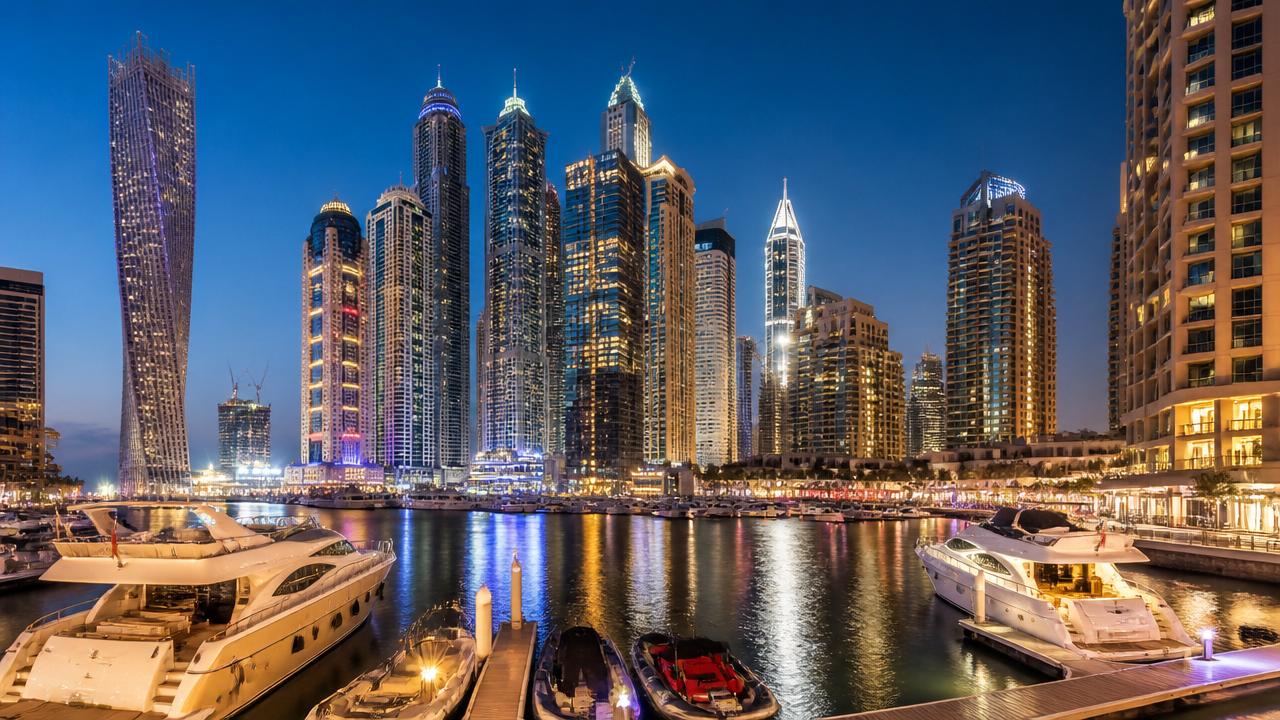

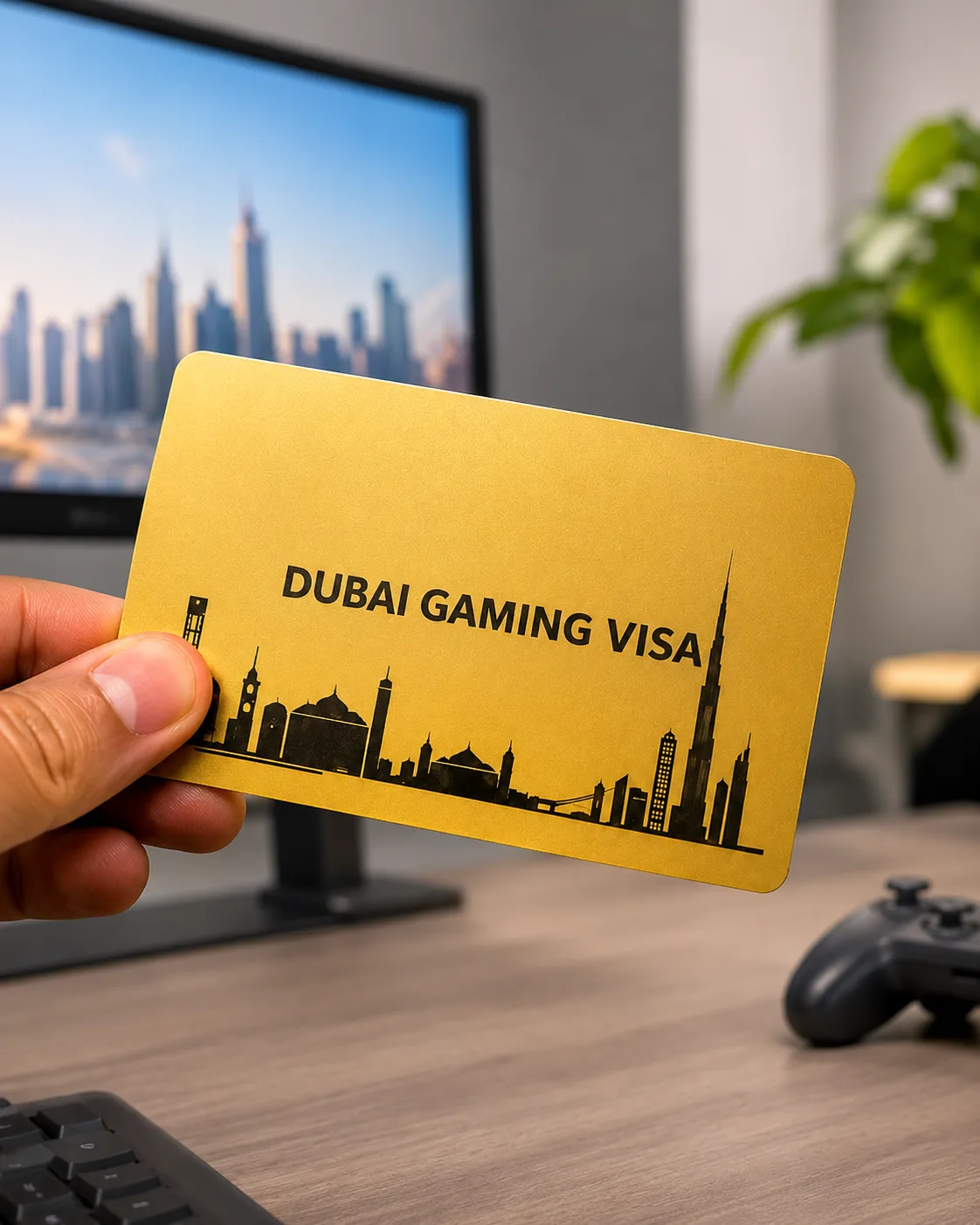
Gaming is becoming a serious part of Dubai's digital economy. Game developers, designers, programmers, professional players and other industry specialists now have a dedicated route to long-term residency through the Dubai Gaming Visa.
Despite the name, this is not a completely separate immigration category. It is a pathway to a 10-year UAE Golden Residency under the culture and arts category for qualifying people working in the games industry. The official Dubai Program for Gaming states that people working in gaming can apply for this 10-year residency.
The route sits within the wider Dubai Program for Gaming 2033, or DPG33. Dubai launched the programme with plans to place the emirate among the world's top 10 gaming hubs, create 30,000 gaming-related jobs and add around USD 1 billion to Dubai's GDP by 2033.
For someone who already has a strong gaming career, the visa can offer a much more stable way to live and work in Dubai without keeping residency tied to one employer.
What Is the Dubai Gaming Visa?
The Dubai Gaming Visa is a long-term residency route aimed at established professionals in the video game and esports industry. It forms part of the Dubai Program for Gaming 2033 and connects the gaming sector with the UAE's Golden Residency framework.
Successful applicants first need recognition as eligible gaming talent. The process involves obtaining a Creative and Talented Accreditation Certificate through Dubai Culture. That accreditation is then used as part of the application for Golden Residency.
Getting the Dubai Culture accreditation does not automatically mean your Golden Visa has been approved. The final residency decision is made by the relevant immigration authority after checking the complete application. GDRFA Dubai explicitly states that nomination by the competent authority does not constitute final Golden Residency approval.
In a 30-minute call we map your situation against jurisdiction, activity and cost — no commitment required.
Who Is Eligible for the Dubai Gaming Visa?
The Dubai Gaming Visa is intended for people who can show genuine professional experience and recognised work within gaming. Published gaming-route guidance has stated that applicants should be at least 25 years old and have proven expertise in the gaming sector.
Depending on your background, suitable applicants may include:
Game developers
Game designers
Programmers and technical specialists
Game producers
Professional gamers and esports professionals
Gaming content creators
Animation and illustration professionals
Games publishing and operations professionals
Video game educators
Other established specialists whose work directly relates to the gaming industry
The application form has previously included categories such as game producer, designer, developer, games publishing and operations, video game educator and animation and illustration.
Simply being interested in gaming is not enough. You should be able to show a real professional record.
What Experience Do You Need?
There is no simple rule saying that a certain number of followers, games released or tournaments won automatically guarantees approval. What matters is the overall quality of your professional record.
Current GDRFA criteria for exceptional talent under culture and arts can consider factors such as professional experience, published or distributed creative work, recognition within the creative community and work with well-known organisations.
For example, a game developer could strengthen an application with published titles, employment at established studios, credits on recognised projects and evidence of technical contribution.
A professional esports player could provide tournament records, team contracts, rankings and recognised competitive achievements. A gaming creator could include published gaming work, professional collaborations, audience records and evidence that their content has had meaningful industry reach.
Your portfolio should make it easy for the reviewer to understand what you have actually done.
Documents Required for a Dubai Gaming Visa
The exact documents can vary based on your profile and immigration status. For the accreditation stage, you should generally prepare:
Clear passport copy
Professional CV focused on gaming
Portfolio of gaming work
Employment or professional experience evidence
Academic or professional certificates where relevant
Social media or professional profile links where requested
Evidence of creative work and industry participation
Memberships, awards or professional recognition where available
UAE residence permit and Emirates ID if you already live in the country
Dubai Culture's general Creative and Talented Accreditation Service requires applicants to provide supporting identification and a professional or cultural CV. Its published service guide also confirms that the accreditation itself is free of charge.
How to Apply for the Dubai Gaming Visa
The process can be understood in two main stages.
- Apply for gaming talent accreditation
Start through the official Dubai Program for Gaming residency route.
Create your account and complete the requested personal, career and professional information. Make sure your gaming specialisation matches the category you select.
- Upload your documents
Submit your passport, CV, portfolio and supporting evidence.
Your CV should clearly state your roles, years of experience, projects, companies, titles released, competitions or other achievements relevant to your particular gaming profession.
- Submit the accreditation application
Dubai Culture reviews the application. If approved, you receive the Creative and Talented Accreditation Certificate.
This certificate is an important part of the process, but it should not be treated as the visa itself.
- Apply for Golden Residency
Once you have the required nomination or accreditation, you can proceed with the residence application through the appropriate Dubai immigration channel.
Dubai Gaming Visa Benefits
The biggest advantage is residency stability. The UAE's Golden Residency programme provides eligible applicants with 10-year residency without requiring a traditional sponsor. It also allows qualifying residents and their families to live, work, study and invest in the UAE.
- Ten-year residency
Gaming professionals who qualify under the applicable exceptional talent route can receive residency for 10 years.
That gives you considerably more stability than a standard short-term employment residence.
- No employer sponsorship required
A Golden Residency is self-sponsored. Your right to remain in the UAE therefore does not depend entirely on keeping one particular employer as your residence sponsor.
- Family sponsorship
Golden Residency holders can sponsor eligible family members. The ICP states that Golden Residency benefits can include residence permits for spouses, children and parents subject to applicable requirements.
If family relocation is part of your plans, Nexture's Dubai family visa guide explains the wider sponsorship process.
- More flexibility when travelling
Standard UAE residence permits can be affected by long periods outside the country. Golden Visa holders are treated differently. The UAE government states that Golden Visa holders can remain outside the UAE for longer than the usual six-month period while keeping their residency valid.
This is useful for developers, esports players, producers and executives who frequently travel for tournaments, conventions, launches or overseas projects.
- Access to Dubai's expanding gaming sector
Dubai's gaming industry has grown quickly. By June 2025, Dubai had more than 350 gaming-related companies, including around 260 specialised game developers, according to the Dubai Program for Gaming. More than 60 new companies had been established since DPG33 launched.
That creates potential opportunities across development, publishing, esports, animation, game technology, marketing, education and digital content.
We’ll model the requirements and send back a single-page breakdown within 24 hours.
Dubai Gaming Visa vs Regular Employment Visa
Feature | Dubai Gaming Visa | Standard Employment Residence |
Residency duration | Up to 10 years | Usually linked to employment and visa category |
Employer sponsorship | Not required for Golden Residency | Normally employer-sponsored |
Main basis | Recognised gaming talent | Employment contract |
Job change | Residency is not tied to one employer | Change may require new work and immigration procedures |
Family sponsorship | Available subject to rules | Available subject to eligibility |
Best suited for | Established gaming professionals | Employees working for UAE companies |
If you work independently, remember that residency and permission to conduct commercial or freelance activity are different things. Holding a Golden Visa does not automatically replace every business licence or professional permit you may need.
Can You Start a Gaming Company After Getting the Visa?
You can hold long-term residency and establish a business in Dubai, but the Gaming Visa itself is not a gaming company licence. A studio, game publishing business, esports operation or technology company still needs the right commercial licence and any approvals that apply to its activity.
The official DPG33 business setup guidance lists Dubai options such as DMCC, Dubai Internet City, Meydan Free Zone and Dubai Technology Entrepreneur Centre for gaming and technology businesses.
If you intend to launch your own studio, Nexture's Dubai business setup guide covers licensing, jurisdictions, office requirements, visas and company formation.
Conclusion
The Dubai Gaming Visa gives experienced gaming professionals a route to 10-year UAE residency while Dubai builds a larger gaming and esports ecosystem.
The process starts with proving your professional record and securing the required gaming talent accreditation. After that, you move to the Golden Residency stage with the immigration authority.
If your background includes serious work in game development, design, publishing, esports, gaming content or another recognised area of the industry, preparing a strong portfolio before applying can make the process much clearer.
Frequently Asked Questions
Is the Dubai Gaming Visa a Golden Visa?
Yes. The gaming route leads to a 10-year Golden Residency under the culture and arts or exceptional talent framework for qualifying gaming professionals.
What is the minimum age for a Dubai Gaming Visa?
Gaming-route guidance published through DPG33-related sources states that applicants must generally be at least 25 years old. Applicants should check the current official gaming residency portal before submitting because programme requirements can be updated.
Do I need to be a professional esports player?
No. The programme is broader than competitive gaming. Developers, designers, producers, programmers, gaming educators, publishing professionals, animation specialists and other eligible gaming professionals may also apply.
How long is the Dubai Gaming Visa valid?
Qualified applicants can receive a 10-year Golden Residency. The current ICP framework lists culture and arts exceptional talent residency at 10 years.
Does Dubai Culture approval guarantee the Gaming Visa?
No. Accreditation or nomination is part of the application process. Final approval remains subject to the immigration authority's review and the applicant meeting the applicable Golden Residency requirements.
Can I sponsor my family with a Dubai Gaming Visa?
Golden Residency holders can sponsor eligible family members under the applicable UAE residence rules. The official ICP guidance includes spouses, children and parents among the permitted family categories.
Do I need a company in Dubai to qualify?
Not necessarily. The gaming route focuses on the applicant's professional talent and record. Starting or owning a Dubai company is a separate process.