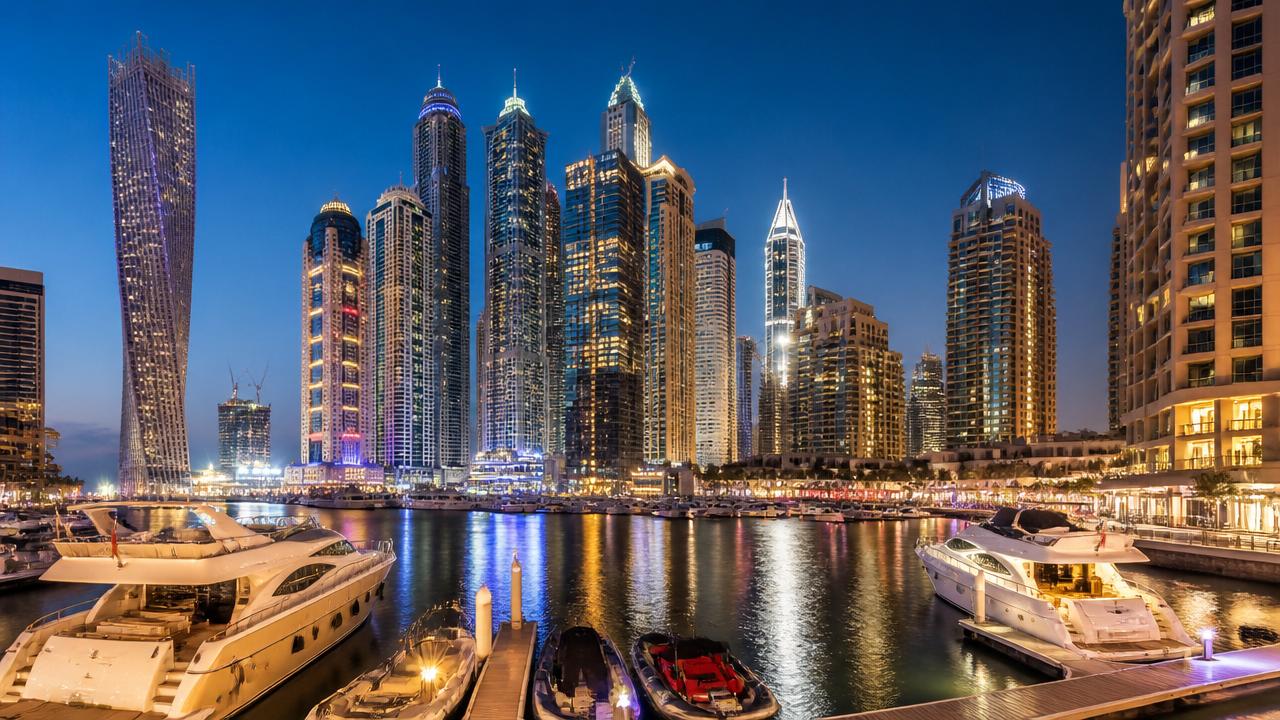

Dubai’s startup market has moved well beyond the early “business-friendly city” pitch. In 2026, the city is building a more organised route for founders to launch, find customers, meet investors and expand into the Gulf, Africa and Asia.
The numbers support that shift. The Dubai Chamber of Digital Economy supported 1,690 digital startups to establish or expand in Dubai during 2025, up 39.7% year on year. Three-quarters were international companies. AI represented 15% of the companies supported, while fintech accounted for 12%.
For a founder, the opportunity is real, but the market is also becoming more selective. Investors want evidence of revenue, strong unit economics, a clear regulatory plan and a product that solves a regional problem rather than a generic global one.
Dubai’s Startup Ecosystem in 2026
Dubai’s current startup push sits inside the Dubai Economic Agenda D33, which aims to double the size of the emirate’s economy by 2033. Startup policy is increasingly tied to specific outcomes: more high-growth firms, stronger digital industries, international market access and commercial adoption.
Dubai Founders HQ is a good example. Launched by the Department of Economy and Tourism and Dubai Chamber of Digital Economy, it acts as a central platform linking founders with investors, corporates, free zones, accelerators and support providers. Its D33-linked goals include helping scale 30 unicorns from Dubai and supporting 400 SMEs to grow by 2033.
If you are still deciding how to structure a new venture, Nexture’s guide on how to set up a business in Dubai covers the practical company formation choices.
1. Artificial Intelligence and Enterprise Automation
AI is one of the clearest growth sectors in Dubai in 2026. Dubai Chamber data shows that 15% of the digital companies it supported in 2025 specialised in AI.
The policy direction became even stronger in May 2026 when Dubai announced an initiative to move the private sector toward Agentic AI over two years. The plan includes specialised training, incubators for Agentic AI companies and dedicated funds.
That opens room for startups working on enterprise AI agents, Arabic-language AI, compliance tools, customer service automation, cybersecurity, data infrastructure and industry-specific software.
If your company sits in this space, read Nexture’s guide to setting up an AI or tech startup in the UAE before choosing a licence or free zone.
- FinTech, Payments and Digital Finance
Fintech remains one of Dubai’s most mature startup verticals. In H1 2026, DIFC Innovation Hub added 361 new companies, taking its total number of AI, fintech and innovation companies to 1,933. That was a 39% year-on-year increase.
The opportunity is moving beyond basic payment apps. Founders are building in wealthtech, embedded finance, regtech, insurtech, SME finance, open-finance services and AI-powered financial operations.
Regulation matters here. A fintech company that handles payments, investments, lending, insurance or other regulated financial activities may need approval beyond a standard commercial licence.
- PropTech and Real Estate Technology
Dubai’s property market creates a large testing ground for PropTech. The Dubai PropTech Hub, launched by DIFC Innovation Hub and Dubai Land Department, aims to support more than 200 PropTech startups and scale-ups, create more than 3,000 jobs and attract over $300 million in investment by 2030.
Dubai Future District Fund has also increased its exposure to PropTech through direct startup investments and sector-focused venture funds.
Practical opportunities include digital property transactions, property management software, fractional investment infrastructure, smart-building systems, construction technology, digital twins, energy management and AI tools for pricing or asset operations.
- Logistics, Mobility and Trade Technology
Dubai’s ports, airports and regional trade links give logistics startups something valuable: customers with large, recurring operational problems.
Trade and logistics was one of the core sectors in the first Dubai Founders HQ and Plug and Play accelerator cycle. The 100-day programme involved 23 startups and five corporate partners, generating 36 proof-of-concept opportunities. Fifteen moved into advanced due diligence or contracting and three agreements were signed during the programme.
For founders, this is an important signal. A corporate pilot can be as valuable as an investor meeting because it gives you revenue evidence and a local reference customer.
Areas worth watching include freight software, customs automation, warehouse technology, route optimisation, autonomous delivery, supply-chain finance and B2B trade platforms.
- HealthTech, Biotech and Medical Innovation
HealthTech is receiving more direct institutional attention in 2026. Dubai Health and Dubai Future District Fund signed an agreement in March to build a HealthTech and TechBio ecosystem in Dubai.
The areas named include biotech, digital health, AI diagnostics, drug discovery, robotics, medical devices and personalised medicine.
This sector can offer strong long-term potential, but founders need to plan for clinical validation, data protection, product registration and healthcare approvals where applicable. The sales cycle can also be longer than in standard SaaS.
- Gaming and Creative Technology
Gaming has become a serious digital business category in Dubai. By August 2026, the number of gaming companies operating in the emirate had reached 495, up from more than 368 in 2024.
The Dubai Program for Gaming 2033 aims to create 30,000 gaming-related jobs and add about $1 billion to Dubai’s GDP by 2033.
The opportunity is wider than game studios. It includes game publishing, AI development tools, esports services, localisation, payment infrastructure, creator tools, animation and immersive content.
In a 30-minute call we map your situation against jurisdiction, activity and cost — no commitment required.
How Startup Funding Works in Dubai in 2026
Founders now have several realistic funding routes.
Venture Capital and Strategic Investors
Dubai has local and regional VC firms, family offices, corporate venture teams and international funds. Dubai Future District Fund is one of the city’s key institutional players. By July 2026, its portfolio had grown to 30 investments: 11 venture funds and 19 high-growth startups.
The regional capital pool has also grown. Wamda recorded $7.5 billion raised by MENA startups during 2025 across 647 companies, with the UAE remaining one of the region’s leading funding markets.
The best fit depends on your stage. Pre-seed investors usually focus on the team, problem and early product. Seed and Series A investors expect stronger traction, repeatable acquisition and proof that the market is large enough.
If you are comparing equity with borrowing, Nexture’s business loan vs investor funding guide explains the trade-offs around repayments, dilution and control.
Accelerators and Founder Programmes
Dubai Founders HQ has expanded quickly. Its partnership with Antler includes founder residencies, academies and structured access to capital, with more than 600 founders expected to be upskilled.
Founders can also look at sector-specific programmes in DIFC, the Dubai PropTech Hub, Dubai SME, Intelak for aviation and travel and other incubators.
The best programme is the one that gives you something you actually need: customers, regulator access, technical support or capital. A well-known logo on your pitch deck is not enough.
Equity Crowdfunding
Regulated equity crowdfunding can suit startups that have a clear customer story and want to raise from a broader investor base. The legal framework depends on the platform and regulator. Nexture’s equity crowdfunding guide explains how this route works in the UAE.
Debt and Banking
Debt can make sense once revenue is predictable. Very early startups often find bank lending harder because they have limited trading history and few assets.
A business bank account is also part of your fundraising readiness. Investors will expect clean company records and transparent transactions. Nexture’s UAE business bank account guide covers the documents and checks new companies should prepare for.
Where the Best Opportunities Are
The strongest opportunities in Dubai tend to sit where three things overlap: a large regional problem, active government or corporate demand and a product that can expand beyond the UAE.
That can mean an AI tool built for Arabic business workflows, a logistics platform that reduces cross-border friction, a fintech product serving underbanked SMEs or a PropTech system that improves property operations.
Dubai also works well as a regional headquarters. International founders can test the UAE market, build relationships with GCC customers and use the city as a base for expansion into Saudi Arabia, wider MENA, Africa and South Asia.
We’ll model the requirements and send back a single-page breakdown within 24 hours.
What Founders Should Do Before Launching
Start with the customer, not the licence. Speak to potential buyers and confirm that the problem is expensive enough for them to pay to solve it.
Then map the regulatory side. Decide whether you need a mainland or free zone company, whether your activity needs a sector regulator and what office or visa requirements apply.
Keep your funding plan realistic. Build at least 12 months of runway where possible. Know how much capital you need to reach the next measurable milestone, such as AED 1 million in annual recurring revenue, 100 paying business customers or a signed enterprise contract.
Finally, prepare for banking and compliance early. A delayed account opening, unclear source of funds or licence mismatch can slow the company at exactly the point when you need to move quickly.
Conclusion
The Dubai startup ecosystem in 2026 offers more than company formation and tax advantages. The city is putting capital, corporate buyers, sector programmes and regulatory infrastructure around specific growth industries.
AI, fintech, PropTech, logistics, HealthTech and gaming currently stand out. The best opportunity, however, is still a business with a real customer problem, clear economics and a product that can expand regionally.
If you build around those fundamentals, Dubai can give you a strong base for fundraising, partnerships and market expansion.
Frequently Asked Questions
Is Dubai a good place to start a company in 2026?
Yes, particularly for technology, fintech, AI, PropTech, logistics, gaming and other businesses targeting the GCC or wider MENA market. The right choice still depends on your customers, licence requirements and cost structure.
Which startup sectors are growing fastest in Dubai?
AI, fintech, PropTech, logistics and mobility, HealthTech and gaming are receiving strong institutional attention in 2026. SaaS, e-commerce and travel technology also remain active areas.
How can startups get funding in Dubai?
Common routes include venture capital, angel investors, family offices, corporate investors, government-backed funds, accelerators, equity crowdfunding and bank finance for businesses with sufficient revenue history.
Does Dubai give grants to startups?
Some programmes offer grants, prizes, subsidised services, cloud credits, workspace or other support. Availability depends on the programme, founder profile, sector and application cycle.
Do foreign founders need a local partner in Dubai?
Many mainland and free zone activities allow 100% foreign ownership. Certain regulated or strategically restricted activities may have additional requirements, so founders should check the rules for their exact business activity.
Should a startup choose Dubai mainland or a free zone?
Choose based on where you will sell, your regulated activity, office needs, visa plans, investor expectations and future expansion. A low-cost licence is not automatically the best long-term structure.