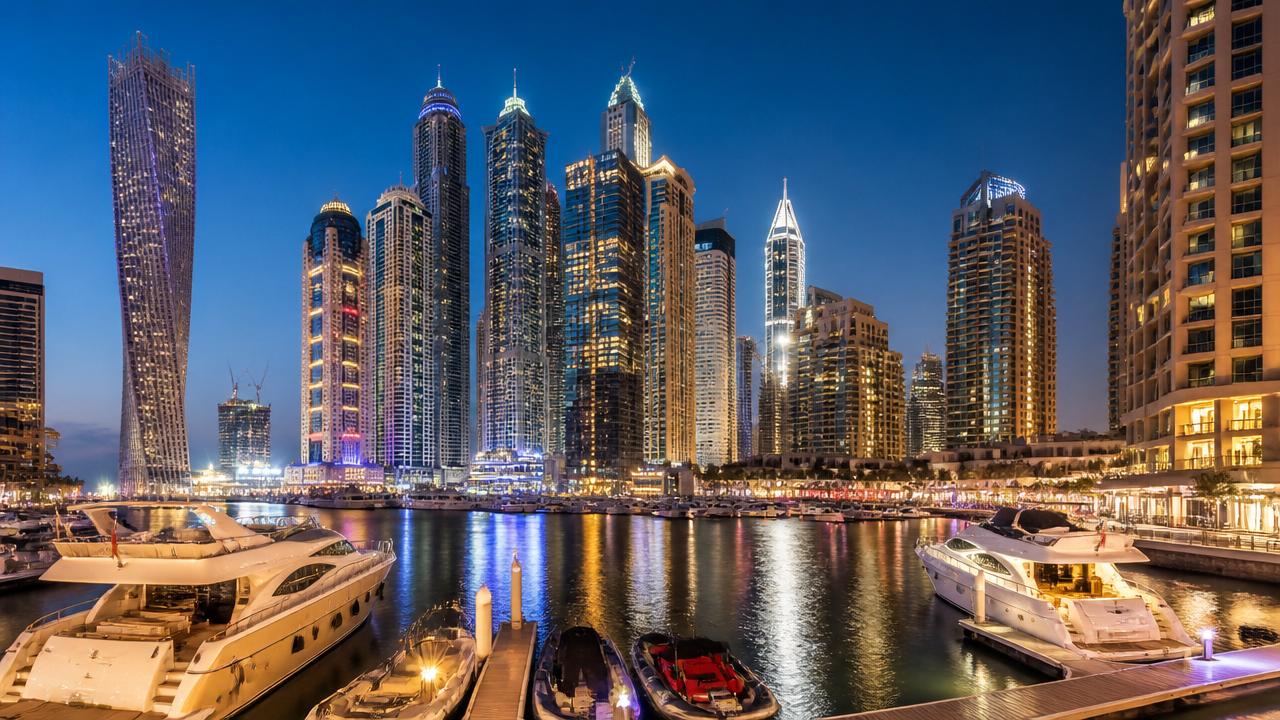


Dubai has become a serious production base for films, television programmes, commercials, documentaries and digital video content. The city offers studios, sound stages, production crews, desert locations and modern urban settings within a relatively compact area.
But running a production company and getting permission to shoot are two different things. A film production licence Dubai allows your company to carry out approved production activities. When you actually want to film at a location, you may also need a filming permit from the Dubai Film and TV Commission, commonly known as DFTC.
For films, television series and documentaries, script approval can come into the process as well. If you are planning to start a production house in Dubai, understanding these separate approvals early can save you a lot of back and forth later.
What Is a Film Production Licence in Dubai?
A film production licence is the business licence that allows a company to provide approved film, television, video and related production services in Dubai.
The exact activity written on your licence matters. A company producing feature films may need a different activity combination from one that only provides editing, location scouting or corporate video production.
Dubai Development Authority's published licensing categories include activities such as pre-production, film and television production, corporate and social video production, post-production, production support services, dubbing and subtitling.
Before submitting your application, decide what you will actually sell to clients. Adding every media activity available can increase costs and create unnecessary approval requirements.
If this is your first UAE company, Nexture's guide to setting up a business in Dubai explains the wider company formation process.
In a 30-minute call we map your situation against jurisdiction, activity and cost — no commitment required.
Film Production Activities You Can Consider
The activity combination depends on your business model.
Activity | Typical Work Covered |
Pre-production | Script editing, casting, set construction, location scouting and location management |
Film, TV and radio production | Films, television programmes, commercials, video productions and related production work |
Corporate and social videos | Corporate communication videos, training videos and personal event videos |
Post-production | Editing, film transfers, dubbing, subtitling, graphics, animation and visual effects |
Production services | Crew support, locations, equipment, OB vans, trailers and other production requirements |
Dubbing and subtitling | Sound synchronisation, dubbing and on-screen translations |
Casting agency | Sourcing actors and talent for media and entertainment projects |
Talent management | Representation and management of actors, directors, musicians, presenters and other creative professionals |
Dubai Development Authority also recognises related activities covering animation, content creation, motion graphics and other production support services.
You should choose activities according to the contracts you expect to sign. For example, a company that shoots television commercials and edits them in-house may require both production and post-production activities. A business that only provides editing services may not need the full film production activity.
Mainland or Free Zone for a Film Production Company?
You can establish a production company through an appropriate Dubai mainland or free zone route, depending on your activities, clients, workspace requirements and plans.
Dubai Studio City is particularly relevant to the sector. It was built around film, television, broadcasting and entertainment production and includes studios, sound stages, offices and other sector-specific facilities.
Dubai Media City is another established media district, particularly for businesses working in advertising, broadcasting, digital media and related services. You can read Nexture's detailed Dubai Media City company setup guide for its licence and company options.
A mainland setup may make sense if your wider commercial operations depend heavily on UAE mainland clients and contracts. A sector-focused free zone can suit businesses that want a media-oriented location and industry infrastructure.
There is no single option that works for every production company. Compare your client base, premises needs, visa requirements and activities first. Nexture's Dubai mainland vs free zone comparison can help with that decision.
Film Production Licence vs Filming Permit
This is one of the most important distinctions for a new production company. Your trade or commercial licence establishes your business. A filming permit authorises a particular filming operation.
DFTC states that it is the authority responsible for permitting filming operations in Dubai, including filming in free zones and special development areas. Its terms also state that filming should not begin without the required permit.
So, receiving your film production licence does not mean you can automatically set up cameras anywhere in Dubai.
A shoot in a mall, street, hotel, office, beach, government property or another controlled location may require a DFTC permit and consent from the location owner or relevant authority.
When Is a Dubai Filming Permit Required?
According to DFTC, production, broadcasting and photography activities are eligible to apply for filming permits. The Commission's current FAQ states that weddings, educational activities involving schools and colleges, press conferences and filming for personal use do not require a filming permit under the scenarios listed there. Commercial production is treated differently.
For a normal commercial shoot, expect to provide project and crew information together with the relevant location details.
DFTC states that filming permits can be approved in one working day, subject to approval from the location owner. That does not mean every production can be organised one day before shooting. Script clearance, restricted locations and other authority approvals can extend the overall preparation period.
Do You Need Script Approval?
For many narrative productions, yes. DFTC states that script approval must be received before applying for a filming permit for movie and television filming in government or private locations.
Arabic productions should submit their scripts in Arabic. Other productions should provide the complete script in English. Even if you are filming only a few scenes in Dubai, DFTC asks for the entire script.
The Commission's published timelines vary by production type. Its FAQ currently states approximately 10 to 15 working days for feature films, 20 to 25 working days for TV series and 10 to 20 working days for documentaries.
Build that period into your production calendar. Booking actors, equipment and locations before script clearance can leave you paying cancellation or rescheduling costs if approval takes longer than expected.
Can a Foreign Production Company Film in Dubai?
Yes, but there is an important requirement. DFTC states that an international production company must work through a local production company when filming in Dubai. An international company or individual can submit a script for approval, but a local production house is required when submitting the filming request.
This is particularly relevant to overseas studios, advertising agencies and production houses coming to Dubai for a temporary shoot.
If you expect to produce frequently in the UAE rather than completing one project, establishing your own local entity may be more practical.
Documents Required to Start a Film Production Company
Requirements vary depending on your licensing authority, shareholders and chosen activities. A standard company formation application generally involves shareholder passport copies, proposed company names, business activity information, incorporation documents and details of the company's manager or authorised representatives.
Corporate shareholders normally need additional company documents. For an FZ-LLC registered through Dubai Development Authority, the authority issues a certificate of incorporation, commercial licence, register of directors and articles of association after successful registration.
You may also need lease documents, immigration records and further approvals depending on the activity.
How to Get a Film Production Licence in Dubai
The setup usually starts with defining exactly what your company will do.
- Select your production activities
Decide whether you need film and TV production, pre-production, post-production, corporate videos, casting, animation or another related activity.
- Choose your jurisdiction
Compare mainland and media-focused free zone options based on activity eligibility, clients, office requirements and visas.
- Reserve your business name
Submit suitable trade-name options to the licensing authority.
- Apply for initial or provisional approval
Provide shareholder details, company information and the selected activities.
- Arrange your premises
Your workspace requirements depend on the authority and type of operation. A large production house requiring studios and equipment storage has different needs from a small post-production company.
- Complete company registration
Submit the required incorporation documents and pay the registration and licence charges.
- Receive your business licence
Once approved, you can move to immigration, visas, banking, tax registration and operational setup.
- Apply for project-specific permits before filming
For shoots covered by DFTC requirements, complete script clearance where applicable, obtain location approval and submit the filming permit request.
How Much Does a Film Production Licence Cost in Dubai?
There is no reliable single price for every film production company.
Your total depends on the jurisdiction, number of activities, company structure, workspace, shareholder visas, employee visas and the type of production facilities you require.
Dubai Development Authority currently publishes an AED 3,500 registration fee for an FZ-LLC, while the commercial licence fee is calculated according to the selected activities. Knowledge and Innovation Dirham charges can also apply.
Your wider budget can include:
Cost Area | What Affects It |
Company registration | Legal structure and authority |
Business licence | Number and type of production activities |
Office or studio | Size, location and facilities |
Visas | Number of shareholders and employees |
Filming permits | Type and duration of shoot |
Location charges | Government or private location |
Equipment | Cameras, lighting, sound and studio equipment |
Insurance | Production risks and public liability requirements |
DFTC's terms state that applicable permit, processing and location charges may be payable and that relevant fees are generally non-refundable.
We’ll model the requirements and send back a single-page breakdown within 24 hours.
Drone Filming and Aerial Shoots
Aerial filming needs extra attention. DFTC's current portal allows applications for drone permits, and its FAQ confirms that aerial and ground filming can be included within one filming permit application.
That does not remove requirements imposed by aviation, security, location or other relevant authorities. Never assume that owning or hiring a drone gives your crew permission to fly it for a commercial shoot. Confirm the required approvals for the aircraft, operator, location and specific production before scheduling the flight.
Media Content Rules Apply to Production Companies
A licensed production company also has to follow UAE media content standards. Federal media regulation covers media activities involving the production and distribution of audio, visual and digital content, including cinema films and creative productions.
The UAE Media Council's standards cover areas including religion, national identity, privacy, public morals, false or misleading information and protection of children. Review these requirements during script development rather than waiting until your cameras are ready.
Tax, Banking and Post-Licence Requirements
Getting the film production licence is only the start of operating the company. You should arrange bookkeeping, corporate tax registration where applicable, payroll and employment compliance and a UAE business bank account.
VAT registration becomes mandatory for a UAE-resident business when taxable supplies and imports exceed AED 375,000 under the applicable conditions. Voluntary registration is available from AED 187,500.
Common Mistakes to Avoid
The most common problem is treating the company licence and filming permit as the same approval. They are not.
Another mistake is choosing an activity that sounds close enough to what the company does. Your licensed activities should properly cover the services you invoice clients for.
Production schedules also need to allow enough time for script approval. A feature film or television project should not be planned around the one-day filming permit timeline when script clearance may take several weeks.
Finally, check location permissions before committing money to a shoot. A DFTC permit does not automatically give you unrestricted access to every property or restricted location. The location owner and other authorities may still have conditions.
Conclusion
Getting a film production licence in Dubai is straightforward when you separate company formation from project approvals. First, choose the activities that accurately describe your work and register the business through the appropriate mainland or free zone authority. If you plan to shoot commercially in Dubai, check the DFTC requirements for your project, locations and crew. Films, TV series and documentaries may also require script clearance before the filming permit can be issued.
The right setup depends on what you produce. A film studio, commercial production house, post-production agency and corporate video business may all need different combinations of activities, premises and permits.
Nexture can help you review your proposed activities, compare licensing options and handle the company formation process so your production business is set up around the work you actually intend to do.
Frequently Asked Questions
Do I need a film production licence to make films in Dubai?
If you are establishing a company that provides commercial film production services in Dubai, you need the appropriate business licence covering your production activities. Individual shoots may also require DFTC filming permits.
Who issues filming permits in Dubai?
The Dubai Film and TV Commission handles filming permits for covered filming operations within Dubai, including relevant free zone and special development areas.
How long does a Dubai filming permit take?
DFTC currently states that a filming permit can be approved within one working day, subject to location-owner approval. Script approval and other external approvals can make the full process longer.
Does a film need script approval before shooting in Dubai?
Films, television series and documentaries generally require DFTC script clearance before production. DFTC publishes different review periods depending on the production type.
Can an overseas film company shoot in Dubai?
Yes. DFTC states that international production companies must go through a local production company when filming in Dubai.
Can a film production company operate from Dubai Studio City?
Yes. Dubai Studio City is specifically designed for film, television, broadcasting and entertainment businesses, and Dubai Development Authority's licensing framework includes film, television, radio and related production activities.
Can I add post-production to my film production licence?
Potentially, yes. Post-production is recognised as a separate activity under Dubai Development Authority's media licensing categories. Your licensing authority can confirm whether it can be added to the same licence based on your selected setup.
Do I need a separate permit for drone filming?
Drone and aerial shoots can require additional approvals. DFTC currently accepts drone permit applications through its portal and states that aerial and ground filming can be included in one filming permit application. Other aviation, location and security requirements may still apply.